Texas Metal Veterans Navigate Industry Transformation as Digital Independence Reshapes Regional Underground
The seismic shift in how metal artists approach their careers has hit particularly close to home here in the Lone Star State, where a generation of veteran musicians is embracing technological disruption to reclaim creative control while younger acts bypass traditional gatekeepers entirely. From Austin's experimental post-metal collectives to Dallas's thrash revival movement, Texas bands are leveraging digital platforms and direct-to-fan relationships in ways that would have been unthinkable just a decade ago.
The Old Guard's New Playbook
Recent industry commentary from veteran bassist Billy Sheehan about embracing digital transformation resonates strongly with Texas metal's established acts, many of whom spent decades fighting for scraps from major label tables. The sentiment echoes conversations happening in rehearsal spaces from Houston's industrial districts to San Antonio's underground venues, where bands that cut their teeth in the pre-internet era are discovering unprecedented creative freedom.
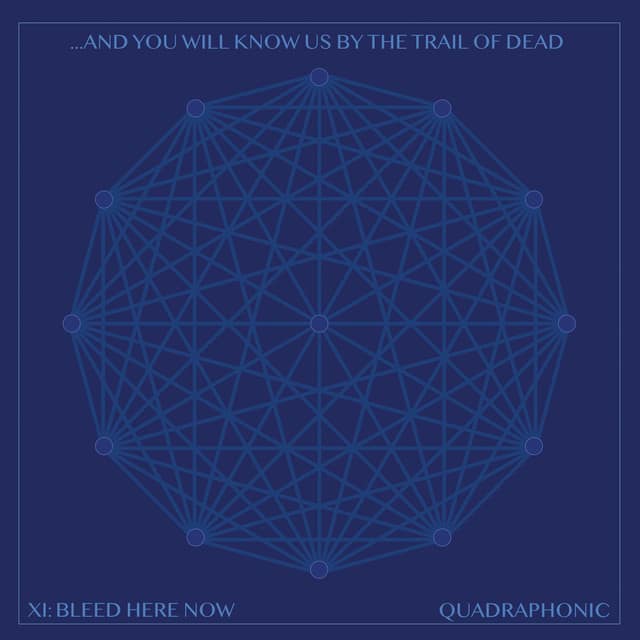
This shift is particularly evident among Texas acts who've witnessed the industry's evolution firsthand. Bands like ...And You Will Know Us by the Trail of Dead, who navigated both major label machinery and independent territory, have become inadvertent case studies in adaptation. Their journey from Merge Records to self-released material demonstrates how established acts can pivot without sacrificing artistic integrity.
The transformation extends beyond simple distribution models. Texas metal veterans are increasingly handling their own recording, mixing, and mastering through accessible digital tools, eliminating the geographic disadvantages that once plagued regional scenes. A death metal band in Lubbock can now achieve production quality that rivals anything coming out of traditional metal capitals, leveling a playing field that was historically tilted toward coastal markets.
Pantera's Shadow Looms Large in Discussions of Legacy
Recent commentary from Terry Glaze encouraging fans to explore Pantera's pre-Phil Anselmo era has reignited conversations about Texas metal's most famous export and how early recordings capture the band's developmental journey. For Texas metalheads, this isn't just nostalgic curiosity—it's a reminder of how the state's metal identity was forged through experimentation and evolution rather than adherence to established formulas.
The Glaze-era Pantera discussion highlights something crucial about Texas metal: our scene has always been willing to reinvent itself. From the Abbott brothers' glam rock origins to their groove metal dominance, the willingness to abandon what's comfortable for what's necessary has become a defining characteristic of Texas heavy music. This adaptability is serving current acts well as they navigate industry upheaval.
Local acts like Absu have similarly demonstrated this evolutionary spirit, transforming from straightforward black metal into something uniquely Texan through mythological concept work and technical progression. Their approach illustrates how regional bands can honor their roots while pushing boundaries, a lesson that's particularly relevant as digital platforms reward distinctiveness over conformity.
The Cruise Ship Economy and Regional Exclusion
The announcement of the 2027 'Emo's Not Dead Cruise' featuring acts like Yellowcard and Dance Gavin Dance underscores a troubling trend for regional scenes: the consolidation of touring revenue into exclusive, high-ticket experiences that effectively shut out local and developing acts. While these floating festivals generate significant revenue for headliners, they represent a fundamental shift away from the ground-up venue ecosystem that traditionally nurtured metal scenes.
Texas metal venues, from deep East Texas honky-tonks converted for weekend shows to Austin's legendary punk clubs, have historically served as crucial stepping stones for developing acts. The cruise model, while financially attractive for established bands, creates a parallel economy that doesn't benefit the regional infrastructure that originally supported these artists' development.
This exclusionary trend makes the digital independence movement even more critical for Texas acts. Bands like Abysmal Void and Abolishment of Flesh are finding that direct fan engagement through streaming platforms, Bandcamp, and social media can generate sustainable income without relying on traditional touring hierarchies. The key is building authentic connections with listeners who become invested in the band's journey rather than casual consumers.
European Influence and Texas Response
As European acts like Moonspell continue pushing gothic metal boundaries and bands like Cancer Bats celebrate milestone anniversaries with tribute shows, Texas metal scenes are absorbing these influences while maintaining distinctly regional characteristics. The European model of genre fluidity and theatrical presentation has found fertile ground in Texas, where excess has always been embraced rather than apologized for.
Austin's A Dark Halo exemplifies this cross-pollination, incorporating European gothic sensibilities with distinctly Southwestern themes and imagery. Similarly, Houston's extreme metal underground has absorbed technical innovations from Scandinavian scenes while maintaining the aggressive directness that characterizes Texas metal. This isn't imitation—it's synthesis.
The European festival circuit's success has also inspired Texas organizers to think bigger about regional events. While we may not have the centuries-old castle venues of European metal festivals, Texas offers unique atmospheric advantages: vast landscapes, industrial backdrops, and a cultural willingness to embrace spectacle that European acts often find liberating when they tour through the state.
Technology's Double-Edged Impact
The democratization of recording technology has been particularly transformative for Texas metal's geographical challenges. Bands in remote areas—say, a death metal outfit in Amarillo or a black metal project in Beaumont—no longer face insurmountable obstacles to professional-quality releases. Home studios equipped with decent interfaces and monitoring can produce material that competes globally.
However, this accessibility comes with oversaturation challenges. The same tools that allow a promising band like Abysswalker to self-record a compelling demo also flood platforms with mediocre material, making discovery increasingly difficult. Texas acts are learning that technical accessibility means nothing without compelling songwriting and distinctive artistic vision.
Social media's role has been similarly complex. Platforms reward consistency and engagement, which can benefit dedicated acts willing to treat promotion as seriously as songwriting. But they also tend to homogenize aesthetics and encourage trend-chasing over artistic development. The most successful Texas metal acts have learned to use these tools strategically while maintaining their essential characteristics.
The Venue Ecosystem Under Pressure
While digital platforms provide new opportunities, they can't replace the communal experience of live performance that defines metal culture. Texas metal venues continue facing economic pressures that predate recent industry changes: rising real estate costs, licensing complications, and competition from entertainment districts that prioritize mainstream acts over underground scenes.
The response has been creative adaptation. Pop-up shows in unconventional spaces, DIY festivals in rural locations, and partnerships with breweries and art spaces have expanded the definition of what constitutes a metal venue. Bands like A Scarlet Gospel have found success organizing their own events rather than waiting for traditional venues to book them, taking control of their live presentation and keeping larger percentages of door revenue.
This venue evolution reflects broader changes in how Texas metal operates. Self-sufficiency has become both necessity and virtue, with successful acts handling multiple aspects of their careers that were previously delegated to industry professionals. The learning curve is steep, but the creative control and financial benefits are substantial.
Looking Forward: Sustainability and Growth
The current transformation presents both unprecedented opportunities and significant challenges for Texas metal. Acts willing to embrace hybrid approaches—combining digital tools with traditional live performance, maintaining artistic integrity while engaging with promotional demands—are positioning themselves for sustainable careers that don't depend on industry gatekeepers.
The key insight emerging from successful Texas metal acts is that technology serves creativity best when it amplifies rather than replaces essential artistic qualities: compelling songwriting, distinctive vision, and genuine connection with audiences. Bands that master these fundamentals while leveraging digital tools strategically are building careers that can withstand continued industry upheaval.
As veteran acts demonstrate that adaptation doesn't require abandoning core values, and younger bands prove that DIY approaches can achieve professional results, Texas metal is establishing itself as a model for regional scenes navigating similar transformations. The Lone Star State's metal underground isn't just surviving current changes—it's using them to build something stronger and more sustainable than what came before.