Texas Metal's Digital Democracy Revolution: Fan Feedback Reshapes Creative Process as State's Underground Embraces Collaborative Evolution
The Lone Star State's metal underground is experiencing a seismic shift in how music gets made, refined, and delivered to audiences. What started as isolated experiments in fan engagement has evolved into a full-scale revolution where Texas metal acts are fundamentally reimagining the relationship between artist and audience, turning the creative process into an interactive dialogue that's reshaping both sound and strategy.
The Reddit Studio: When Fans Become Co-Producers
The recent trend of bands utilizing social media platforms for real-time creative feedback represents more than just clever marketing—it's become a legitimate extension of the studio process. Texas metal acts, known for their fierce independence and DIY ethos, are discovering that digital democracy can enhance rather than compromise artistic vision.
This collaborative approach resonates particularly strongly in Texas, where the metal scene has always operated as an extended family of musicians, promoters, and fans who blur traditional industry boundaries. From Austin's experimental post-metal collectives to Houston's technical death metal laboratories, bands are finding that fan input during the mixing and mastering phases can reveal blind spots that even experienced producers might miss.
Trail of Dead, Austin's genre-defying pioneers, have long understood this principle, building careers on the foundation of intense fan connection that extends well beyond traditional performance boundaries. Their influence can be seen in how newer Texas acts approach fan engagement as an integral part of the creative process rather than an afterthought.
The Algorithmic Venue: How Digital Platforms Reshape Texas Metal Geography
Texas metal's vast geographical challenges—where bands might drive eight hours between Dallas and El Paso for a show—have created unique opportunities for digital-first audience development. The state's metal acts are pioneering new models where online communities become primary venues, with physical shows serving as periodic celebrations rather than the sole method of fan connection.
This shift has profound implications for how Texas metal bands structure their careers. Rather than following traditional touring circuits that often bypass smaller Texas cities, bands are building dedicated online followings that can sustain them between major market appearances. The result is a more democratized scene where a band from Lubbock can compete for attention with Austin or Houston acts on equal digital footing.
Local acts like Absu, masters of mythological black metal, demonstrated early adoption of this approach, using online platforms to maintain connection with their international following while remaining deeply rooted in the Texas extreme metal community. Their model of digital engagement paired with selective, high-impact live appearances has become a template for younger Texas metal acts.
The Mixing Board Democracy: Technical Innovation Meets Fan Participation
Texas metal's embrace of fan-involved mixing processes represents a fascinating intersection of technical innovation and community engagement. The state's numerous recording studios and engineering programs have created a sophisticated infrastructure where bands can easily generate multiple mix versions for fan comparison, turning what was once a purely technical decision into a community conversation.
This trend particularly benefits Texas metal's diverse subgenres, each with distinct sonic preferences. A black metal band from the East Texas underground might discover through fan feedback that their atmospheric passages need more prominence, while a Houston hardcore act might learn that their breakdowns hit harder with different compression settings. The democratic mixing process becomes a form of market research that happens during rather than after the creative process.
The approach also reflects Texas metal's broader cultural values of community input and collective decision-making, principles that extend from local music scene politics to how bands structure their internal operations. It's not uncommon to find Texas metal acts where creative decisions flow through informal networks of trusted fans, fellow musicians, and scene veterans who serve as unofficial advisory councils.
Beyond the Algorithm: Authentic Engagement in an Automated World
While major social media platforms increasingly rely on algorithmic content distribution, Texas metal bands are discovering that genuine fan engagement cuts through digital noise more effectively than traditional promotional strategies. The key lies in understanding the difference between authentic collaboration and superficial interaction farming.
Successful Texas metal acts using fan feedback aren't simply posting polls about which song should be the next single. Instead, they're inviting fans into substantive conversations about sonic direction, lyrical themes, and even business decisions like merchandise design and touring priorities. This deeper level of engagement creates stronger fan loyalty and more sustainable career foundations.
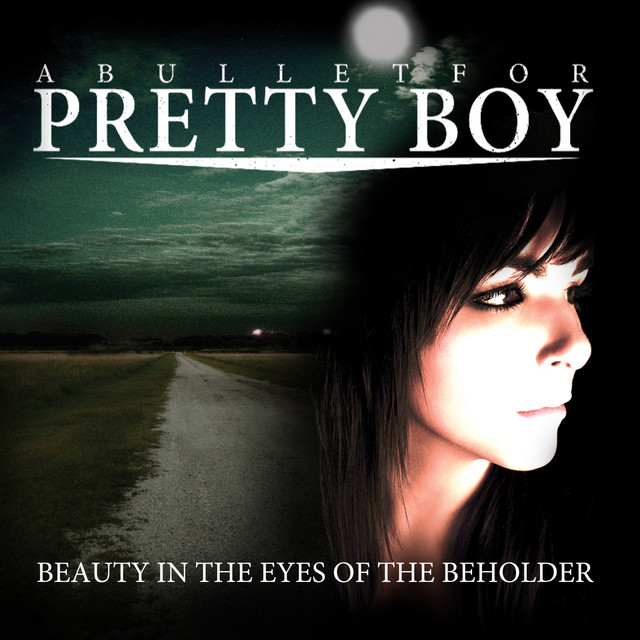
A Bullet for Pretty Boy, hailing from the Dallas area, exemplified this approach during their active years, maintaining intense fan connection that extended far beyond typical band-audience relationships. Their model of treating fans as extended family members rather than consumers created a blueprint that continues to influence how Texas metal acts approach community building.
The Economics of Collaboration: Fan Investment in Texas Metal's Future
The financial implications of fan-collaborative creative processes extend beyond simple engagement metrics. Texas metal bands utilizing fan feedback during production often discover increased pre-order rates, higher merchandise sales, and more successful crowdfunding campaigns. When fans feel invested in the creative process, they become stakeholders in the final product's success.
This economic model proves particularly valuable in Texas, where geographic distances can make traditional promotional touring prohibitively expensive. Bands can build substantial financial support through digital engagement before ever loading a van for a multi-city Texas tour. The result is more sustainable band economics and higher-quality productions funded by genuinely invested fan communities.
Local acts are also discovering that fan collaboration during the creative process generates content for months of social media engagement, extending the promotional lifecycle of each release. Rather than scrambling for content between album cycles, bands can document and share the collaborative process itself, creating ongoing narratives that maintain fan interest during traditionally quiet periods.
Looking Forward: The Future of Texas Metal Democracy
As Texas metal's digital democracy experiment continues evolving, early indicators suggest this trend will fundamentally reshape how the state's metal scene operates. Emerging bands are building fan collaboration into their foundational planning rather than treating it as an experimental add-on, suggesting that future Texas metal will be inherently more collaborative and community-driven.
The implications extend beyond individual band strategies to influence how Texas metal venues, promoters, and industry infrastructure adapt to serve increasingly connected and engaged fan communities. Traditional gatekeepers may find their roles shifting as bands and fans develop more direct relationships that bypass conventional industry intermediaries.
For Texas metal's next generation, the question isn't whether to engage fans in the creative process, but how to do so authentically while maintaining artistic integrity. The bands that master this balance will likely define the next chapter of Texas metal's evolution, creating new models that influence metal scenes far beyond the Lone Star State's borders.
As the dust settles on these early experiments in musical democracy, one thing becomes clear: Texas metal's future belongs to those brave enough to tear down the walls between artist and audience, creating something genuinely collaborative in an industry still learning to navigate digital-age possibilities.