Austin Festival Circuit Heats Up While International Doom and Stoner Trends Reshape Texas Metal Landscape
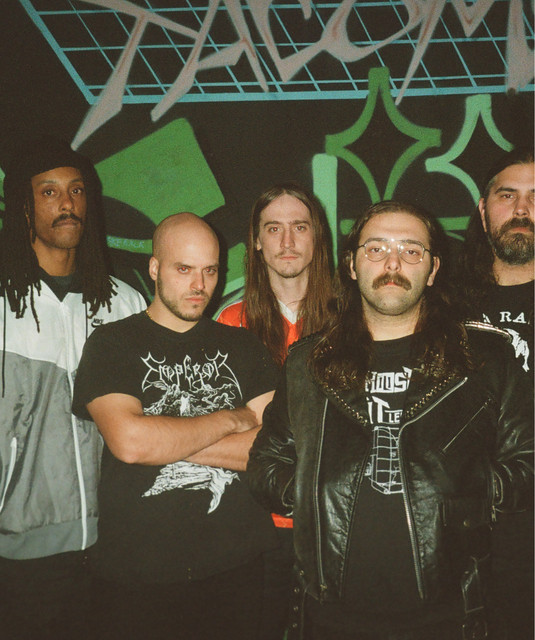
The Texas metal scene is experiencing a fascinating convergence of international influence and homegrown innovation, with major festival announcements and global trends creating new opportunities for Lone Star State bands to expand their reach. As we examine the latest developments in heavy music, several key patterns emerge that directly impact how Texas acts position themselves in an increasingly competitive market.
Festival Economics Drive Regional Scene Growth
The announcement of RippleFest Texas 2026's stellar lineup, featuring doom giants YOB, Khemmis, and Greenleaf alongside Canada's Dopethrone, represents more than just another festival booking—it signals a strategic shift in how regional events are programming to attract both dedicated genre fans and curious newcomers. This approach mirrors what we're seeing across Texas venues, where promoters are increasingly willing to take risks on specialized lineups that might have seemed too niche just five years ago.
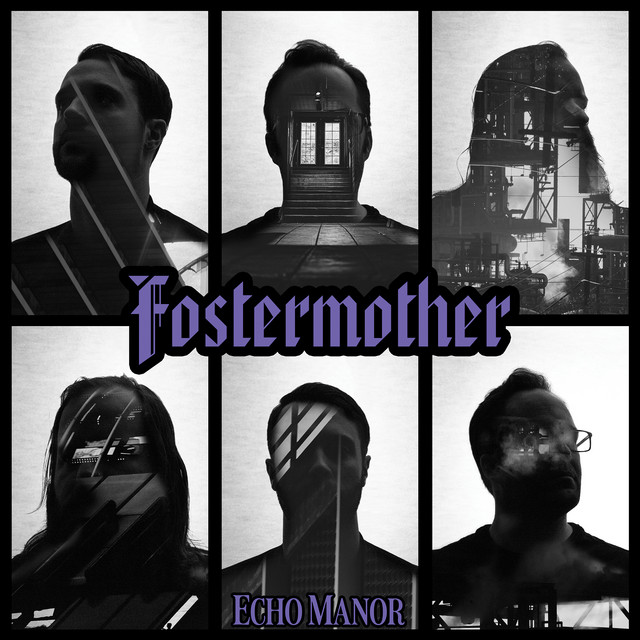
For Texas bands operating in similar sonic territories, this trend creates unprecedented opportunities. The success of doom and stoner metal programming at major festivals validates what local acts like Fostermother have been developing within the psychedelic heavy spectrum. The atmospheric approach that defines much of this music translates exceptionally well to festival settings, where bands have limited time to create immersive experiences.
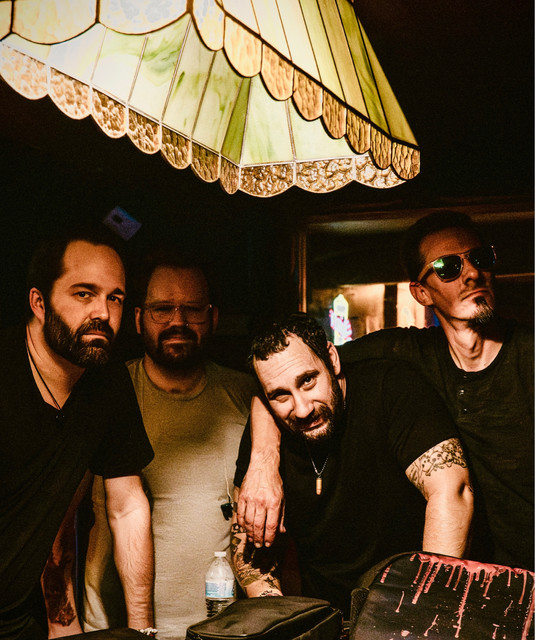
What's particularly interesting about RippleFest's programming strategy is how it balances established international acts with rising names, creating a template that smaller Texas festivals could adopt. This model allows regional events to maintain credibility with genre purists while remaining financially viable—a crucial consideration as festival production costs continue climbing nationwide.
Remaster Culture and Archive Fever
The recent remastering of classic albums, including legendary works receiving Dan Swanö's treatment, reflects a broader industry trend that's reshaping how both veteran and emerging bands approach their catalog management. For Texas metal acts, this development carries particular significance as many local legends from the 1980s and 1990s never received proper archival treatment for their early recordings.
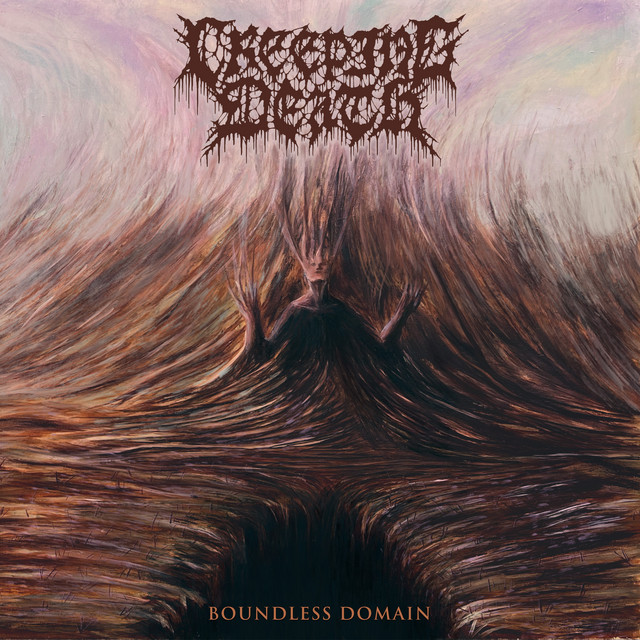
This remaster renaissance creates interesting opportunities for bands to reassess their own histories. Acts that emerged during Texas's thrash heyday, particularly those influenced by the movement that produced bands like Creeping Death, might find new audiences through strategic re-releases of their formative material. The digital streaming era has made catalog discovery easier than ever, but proper remastering ensures these recordings can compete sonically with contemporary releases.
The technical aspects of remastering also highlight how production values have evolved. What sounded crushing in 1992 might seem thin by today's standards, but skilled remastering can bridge that gap without sacrificing the original's character. For Texas bands considering similar projects, the key lies in finding engineers who understand both the historical context and modern listening habits.
Genre Fusion and Experimental Approaches
Recent album releases showcasing genre-blending approaches reflect a broader acceptance of musical experimentation within heavy music. This trend particularly benefits Texas artists operating outside traditional metal boundaries, as the state's diverse musical heritage naturally lends itself to cross-pollination between genres.
The success of bands incorporating electronic elements, unconventional song structures, or surprise release strategies demonstrates that modern metal audiences are more receptive to innovation than some industry veterans assumed. For Texas acts, this opens doors to incorporate elements from the state's rich musical traditions—whether that's incorporating blues influences, country storytelling techniques, or the experimental spirit that defines much of Austin's music scene.
Progressive metal acts, in particular, seem positioned to benefit from this experimental moment. The complexity and technical proficiency that defines much progressive music aligns well with current trends toward showcasing musicianship, while the genre's inherent willingness to incorporate diverse influences matches the current cultural moment's appetite for boundary-crossing art.
Visual Storytelling and Digital Strategy
The increasing emphasis on music video production and visual narratives represents both an opportunity and a challenge for regional bands. Recent high-quality video releases from various acts demonstrate how crucial visual components have become to successful album campaigns, but they also highlight the resource disparities between major-label and independent artists.
Texas bands face unique advantages and challenges in this landscape. The state's film production infrastructure, particularly in Austin and Dallas, provides access to professional video production services that might be cost-prohibitive in other regions. However, the competition for attention in visual media continues intensifying, requiring increasingly creative approaches to stand out.
The most successful recent video campaigns combine narrative ambition with budget consciousness, focusing on strong concepts rather than expensive effects. This approach particularly suits metal's aesthetic sensibilities, where atmosphere and intensity often matter more than polished production values. Bands that master this balance can compete effectively with much larger-budget productions.
Tour Routing and Regional Connectivity
Current touring announcements reveal interesting patterns in how bands are structuring their route planning, with many acts focusing on specific regions rather than attempting comprehensive national coverage. This shift creates opportunities for Texas bands to position themselves strategically within tour packages, particularly those targeting the broader Southwest market.
The logistics of modern touring favor bands that can demonstrate strong regional drawing power and professional reliability. Texas acts that establish themselves as dependable package partners for visiting bands often find themselves with increased booking opportunities, as promoters value local acts that can guarantee solid turnouts and smooth event execution.
Geographic advantages play a crucial role in this dynamic. Texas's central location makes it a natural stop for bands routing between coastal markets, while the state's major metropolitan areas provide multiple venue options for acts of varying draw levels. Bands that understand these logistics and position themselves accordingly often find more consistent touring opportunities than those focusing solely on musical development.
Looking Forward: 2026 and Beyond
As we look toward 2026, several trends seem likely to continue shaping the Texas metal landscape. The festival market appears increasingly receptive to specialized programming, creating opportunities for genre-focused events to thrive alongside mainstream rock festivals. Regional bands that develop strong live reputations and maintain consistent release schedules position themselves to benefit from this trend.
The international influence on local scenes will likely continue growing, but this creates opportunities for cultural exchange rather than simple imitation. Texas bands that successfully incorporate global metal trends while maintaining distinctive regional characteristics often find the most sustainable long-term success.
For emerging Texas metal bands, the current landscape offers more pathways to recognition than perhaps any previous era, but it also demands higher standards of professionalism and creative consistency. The bands that thrive in this environment will be those that combine musical excellence with strategic thinking about audience development, visual presentation, and regional positioning.
The future of Texas metal lies not in copying international trends but in understanding how global developments create local opportunities. As the scene continues evolving, the acts that maintain this perspective while delivering consistently excellent music will define the next chapter of the state's heavy music legacy.