Texas Metal Underground Surges as Health Scares and Festival Expansions Reshape Regional Heavy Music Landscape
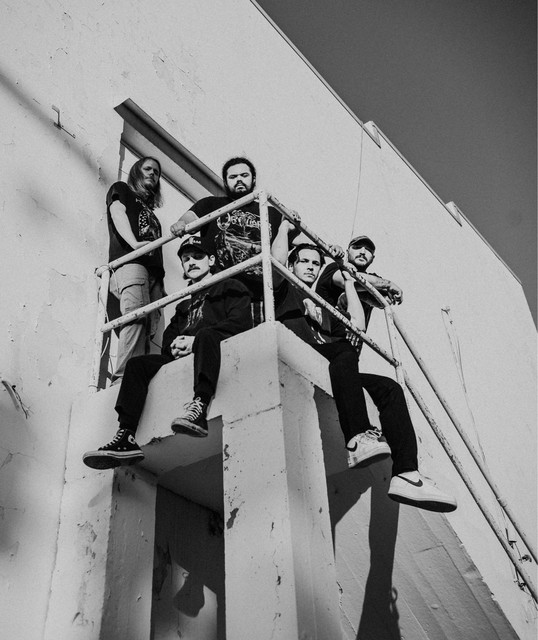
The Texas metal scene finds itself at a crossroads as veteran performers face mounting health challenges while festival culture expands deeper into the Lone Star State's underground circuits. Recent developments across the broader heavy music landscape reveal both cautionary tales and promising opportunities for regional acts navigating an increasingly complex industry.
Health Concerns Cast Shadow Over Veteran Circuit
The announcement that former W.A.S.P. guitarist Chris Holmes has canceled his May 2026 European tour dates due to undisclosed health issues requiring immediate attention serves as a stark reminder of the physical toll decades in heavy music can exact. Holmes' decision to postpone UK and Scandinavian dates while maintaining his July commitments suggests a strategic approach to managing both professional obligations and personal wellbeing.
This development resonates particularly strongly within Texas metal circles, where veteran performers continue pushing themselves through grueling touring schedules. Local thrash pioneers like Pus and groove metal stalwarts Creeper represent the kind of seasoned acts that must balance decades of accumulated wear with continued creative ambitions. The Holmes situation underscores the importance of sustainable touring practices for Texas metal veterans who've been grinding through the underground circuit for years.
Meanwhile, doom metal practitioners like Abyss benefit from their genre's typically less physically demanding performance style, though the emotional intensity required for authentic doom delivery presents its own set of challenges. The slower, more methodical approach favored by Texas doom acts may prove advantageous as the scene's older performers seek longevity over pure aggression.
Festival Culture Penetrates Texas Underground
RippleFest Texas 2026's announcement of a heavyweight lineup featuring Yob, Khemmis, and Greenleaf signals a major shift in how specialized metal festivals view the Texas market. The event's focus on stoner and doom metal represents a calculated bet that Texas audiences are ready to embrace more niche subgenres beyond the state's traditional groove metal and thrash foundations.
This festival expansion creates unprecedented opportunities for Texas acts operating in similar sonic territory. Buzzurd and Wax Wizard find themselves positioned to capitalize on increased interest in stoner doom, while atmospheric practitioners like Marble Orchard could benefit from expanded booking opportunities as festivals seek local support acts.
The limited availability of 2-day passes for RippleFest Texas suggests strong initial demand, validating promoters' faith in the state's appetite for specialized heavy music programming. This success could encourage similar festival ventures targeting other underserved subgenres within the Texas market, potentially creating a more diverse live music ecosystem for regional acts.
Industry Transparency Crisis Affects All Levels
Jay Weinberg's public admission that he still doesn't understand why Slipknot terminated his services highlights a broader communication crisis plaguing professional metal bands. This lack of transparency creates ripple effects throughout the industry, as younger musicians witness veteran acts handling personnel changes with apparent disregard for basic professional courtesy.
Texas metal bands at all levels can learn valuable lessons from these high-profile communication breakdowns. The state's thrash metal scene, built on DIY ethics and direct communication, offers a stark contrast to the corporate-style secrecy increasingly common among major label acts. Bands like Hammerhed and Chemical Fingerprint maintain the kind of transparent internal dynamics that prevent the toxic situations now plaguing larger acts.
Progressive metal acts particularly benefit from clear communication given their complex musical arrangements and extended collaboration requirements. Texas bands like Dynamorphic and the legendary Watchtower demonstrate how technical proficiency must be matched with interpersonal professionalism to achieve long-term success.
Cross-Genre Experimentation Gains Momentum
Alice Cooper's surprise cover of Nirvana's "Smells Like Teen Spirit" at his annual Coopstock festival represents the kind of unexpected cross-pollination that keeps veteran acts relevant to younger audiences. This willingness to embrace material from outside traditional comfort zones offers a template for Texas acts seeking to expand their appeal without abandoning core identities.
The Texas metal scene's diversity provides natural opportunities for similar experimentation. Hardcore punk veterans like D.R.I. have always blurred genre boundaries, while newer acts like Portrayal of Guilt continue pushing the envelope between black metal and hardcore territories. These cross-genre approaches position Texas acts advantageously as metal audiences increasingly value authenticity over genre purity.
Studio Activity Signals Creative Resurgence
Reports of various acts returning to studio environments suggest a broader creative awakening within heavy music circles. This increased recording activity creates opportunities for Texas metal bands to capitalize on renewed industry interest in diverse sounds and approaches.
The state's death metal scene stands particularly well-positioned to benefit from this resurgence. Established acts like Devourment continue setting brutal standards, while newer practitioners like Tribal Gaze and Vital Flesh represent the next generation of Texas death metal evolution. These bands exemplify how the state's best death metal bands maintain both technical precision and authentic regional character.
Recording technology's increased accessibility allows Texas metal bands to achieve professional results without major label backing. This democratization particularly benefits extreme subgenres like black metal, where acts like Entormus and Aleere can craft atmospheric recordings that compete with international releases.
Regional Identity Strengthens Amid Global Uncertainty
As major metal figures express concerns about societal direction and global instability, regional metal scenes like Texas offer stability through community-focused approaches and authentic local culture. The state's metal bands touring 2026 benefit from established regional loyalty that transcends broader industry turbulence.
Texas metal's strength lies in its refusal to chase fleeting trends while remaining open to genuine evolution. Whether examining the groove metal innovations pioneered by Pantera or the contemporary extreme metal pushed by acts like Meshiha, the state's heavy music maintains distinctive character while embracing technical advancement.
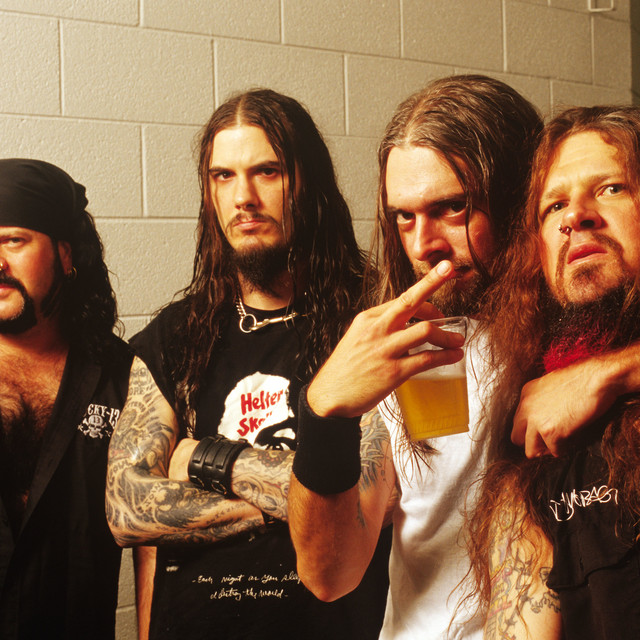
The upcoming year promises continued growth for Texas metal as festival opportunities expand, veteran acts demonstrate professional standards, and emerging bands benefit from increased industry attention. Health challenges facing older performers serve as reminders that sustainable approaches ensure longer careers, while communication breakdowns among major acts highlight the value of transparent, respectful band dynamics that characterize the state's most successful groups.