Doom Metal Festival Expansion and Musician Health Crises Signal Texas Heavy Scene's Maturation Process
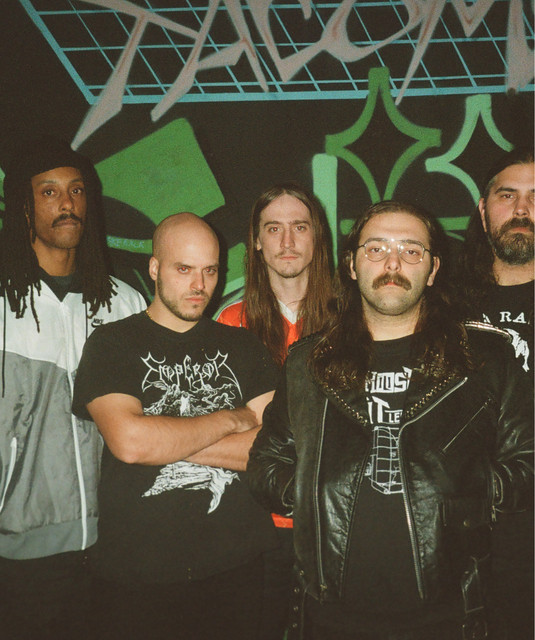
The Lone Star State's heavy music ecosystem is experiencing a fascinating dichotomy in 2026, with promising festival developments coinciding with sobering reminders of the physical toll that decades of touring can exact on veteran performers. This week's developments paint a complex picture of a scene simultaneously celebrating growth while confronting the realities of aging musicians and industry pressures.
RippleFest Texas Solidifies State's Doom Metal Credentials
The announcement of RippleFest Texas 2026's lineup represents a significant milestone for the state's doom and stoner metal community. With heavyweight acts like Yob, Khemmis, and Greenleaf confirmed for the festival, Texas is positioning itself as a serious destination for the genre's most dedicated fans. The festival's focus on atmospheric, crushing soundscapes aligns perfectly with the current underground metal zeitgeist, where audiences increasingly crave authentic, immersive experiences over flashy production.
This development holds particular significance for Texas-based doom practitioners like Oat and Abyss, who now have a regional platform that celebrates their specific sonic territories. The doom metal scene has historically been concentrated in the Pacific Northwest and European markets, making Texas's emergence as a festival destination a noteworthy shift in the genre's geographic landscape.

The timing couldn't be better for Texas doom metal, as the genre experiences renewed interest from younger audiences seeking music that prioritizes atmosphere and emotional weight over technical virtuosity. Bands like E.E.O.G. and other regional stoner metal acts are likely eyeing this festival expansion as validation of their artistic direction and proof that Texas venues are ready to support heavier, more experimental programming.
Health Concerns Highlight Touring's Physical Demands
While festivals celebrate metal's future, recent health-related tour cancellations serve as stark reminders of the genre's human costs. Chris Holmes's cancellation of his 2026 UK and Scandinavia dates due to immediate health concerns reflects a broader pattern affecting veteran metal performers who've spent decades pushing their bodies to physical limits on stage and in studios.
The ex-W.A.S.P. guitarist's situation isn't isolated—it's part of a concerning trend where musicians who defined metal's foundational decades are increasingly facing health crises that force them to step away from performing. These developments resonate particularly strongly in Texas, where the metal scene has always emphasized longevity and community support over fleeting commercial success.
For younger Texas metal acts, these health scares serve as cautionary tales about the importance of sustainable touring practices and maintaining physical wellness throughout extended careers. Bands like Creeping Death and other rising Texas thrash acts are witnessing firsthand how the touring lifestyle can impact even the most robust performers, potentially influencing how they approach their own career planning.
Cruise Metal Phenomenon Reflects Industry Evolution
A Day to Remember's announcement of their "Big Ole Boat Show" cruise, featuring Knocked Loose, The Devil Wears Prada, and other contemporary metal and hardcore acts, represents the industry's continued evolution toward experiential entertainment. These floating festivals have become increasingly popular as bands seek new revenue streams and fans desire more intimate interactions with their favorite artists.
The cruise format addresses several challenges facing modern metal touring: it provides a controlled environment where sound quality and audience experience can be optimized, creates multiple revenue streams through accommodation and entertainment packages, and offers fans a vacation experience that extends far beyond a traditional concert. For bands, cruises eliminate many variables that can derail traditional tours—venue issues, local promotion problems, and logistical complications.
Texas metal bands are watching these developments closely, as they represent potential touring models that could work well for regional acts looking to expand their reach without the massive overhead costs of traditional national tours. The success of these cruise festivals could influence how Texas metal festivals and venues approach their own event programming.
Drummer Departures Expose Industry Tensions
Jay Weinberg's recent reflections on his 2023 departure from Slipknot reveal ongoing tensions within high-profile metal bands that extend beyond creative differences. His suggestion that he became "a scapegoat for certain things" highlights the complex dynamics that can develop when commercial pressures intersect with artistic vision and personality conflicts.
These revelations are particularly relevant for Texas metal musicians navigating their own band relationships and career decisions. The state's metal scene has always prided itself on collaborative approaches and mutual support, but Weinberg's experiences demonstrate how even successful professional relationships can deteriorate under industry pressure.
For Texas drummers and other musicians, these high-profile departures serve as reminders about the importance of clear communication, defined roles, and healthy conflict resolution within bands. The local scene's emphasis on community and longevity becomes even more valuable when contrasted with the dysfunction that can plague larger, more commercially successful acts.
Festival Culture Shapes Regional Identity
The convergence of RippleFest Texas's growth with broader festival culture trends positions the state's metal scene for continued expansion. Unlike many regions that rely on a single major festival or venue, Texas is developing a diverse festival ecosystem that can accommodate different metal subgenres and audience sizes.
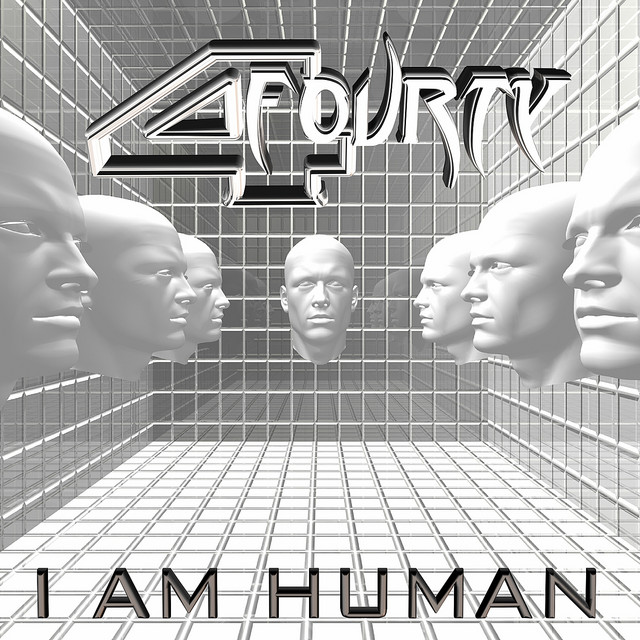
This diversity creates opportunities for local bands across the metal spectrum, from the progressive complexity of acts like 4Fourty to the brutal intensity of death metal practitioners like Inherit Death. As festival culture continues evolving, Texas's geographic advantages—central location, multiple major metropolitan areas, and favorable weather—position it as an increasingly attractive destination for both touring acts and traveling metal fans.
The state's metal community is also benefiting from increased recognition of regional scenes' importance in maintaining metal's cultural authenticity. As major industry players focus on established markets, Texas metal acts are finding new opportunities to develop their sounds and audiences without external commercial pressures.
Looking Forward: Sustainability and Growth
As 2026 progresses, Texas metal faces a crucial period where growth opportunities must be balanced against sustainability concerns. The health challenges affecting veteran performers, combined with industry pressures revealed through high-profile band departures, create both warnings and opportunities for the state's metal community.
The success of festivals like RippleFest Texas demonstrates growing audience appetite for authentic metal experiences, while cruise festivals and other innovative touring models suggest new possibilities for career development. For Texas metal bands, the key will be learning from both the successes and failures of their predecessors while building a scene that prioritizes longevity and community support.
The coming months will likely reveal whether Texas can maintain its momentum while avoiding the pitfalls that have affected other regional scenes. With strong festival development, diverse local talent, and a community-focused approach to metal culture, the state appears well-positioned to continue its emergence as a significant force in American metal.