Lineup Changes and Legacy Vocals Define Modern Metal's Identity Crisis as Texas Extreme Scene Adapts
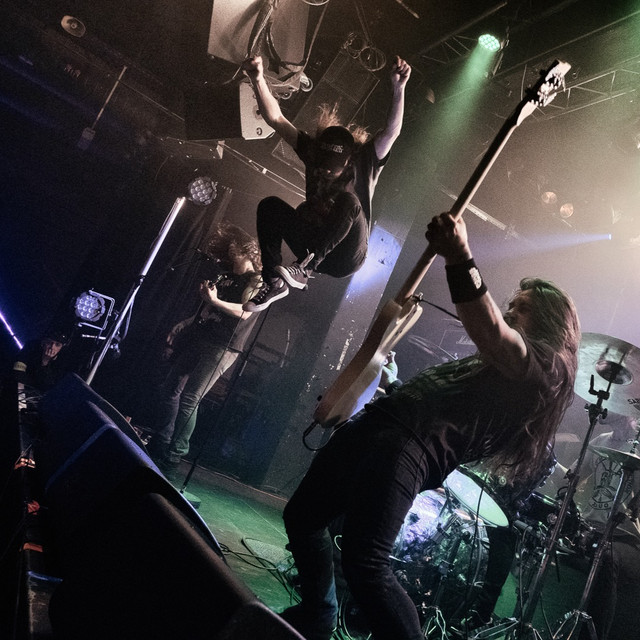
The metal world's ongoing conversation about lineup authenticity reached a fever pitch this week as veteran musicians weighed in on touring without classic members, while supergroup recordings and vocal range discussions revealed deeper questions about artistic identity. For Texas metal artists watching these developments, the debates offer crucial insights into balancing creative evolution with fan expectations in an increasingly complex music landscape.
The Authenticity Debate Reshapes Touring Expectations
Judas Priest guitarist Richie Faulkner's recent defense of bands touring without their classic lineups strikes at the heart of modern metal's identity struggles. His straightforward "if people don't want to go see them, then don't go" approach reflects a pragmatic view that many working musicians understand intimately. The reality facing veteran acts—health issues, creative differences, and simple mortality—creates situations where continuing requires lineup changes.
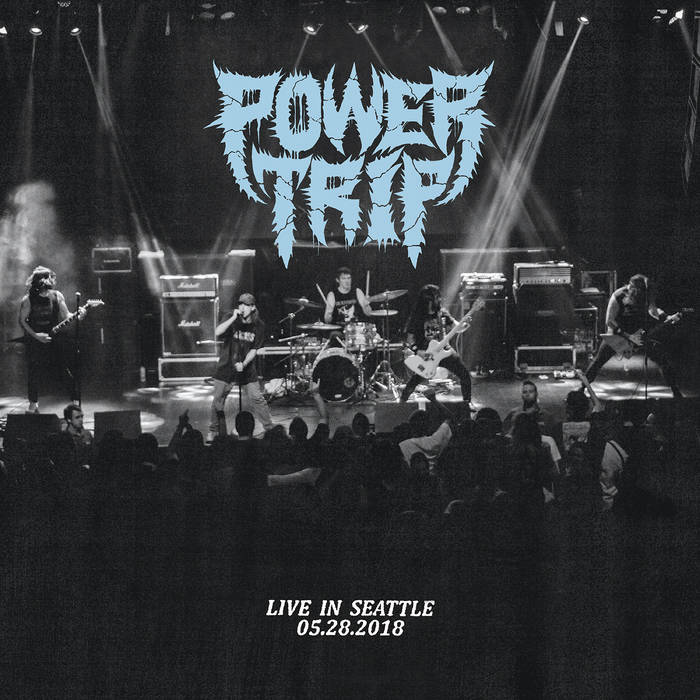
This perspective resonates particularly within Texas metal circles, where bands across genres face similar decisions about longevity versus lineup purity. The state's heavy music scene has always embraced both veteran acts adapting to circumstances and newer bands building their own legacies. Power Trip exemplified this balance, honoring their hardcore punk and crossover thrash roots while pushing creative boundaries until tragedy forced their own lineup reconsiderations.
For emerging Texas acts watching these industry debates, the message seems clear: artistic integrity matters more than rigid adherence to original formations. Bands like Creeping Death demonstrate how maintaining core creative vision can survive personnel changes while preserving the essential elements that define their death metal and thrash metal sound.
Supergroup Projects Signal Collaborative Future
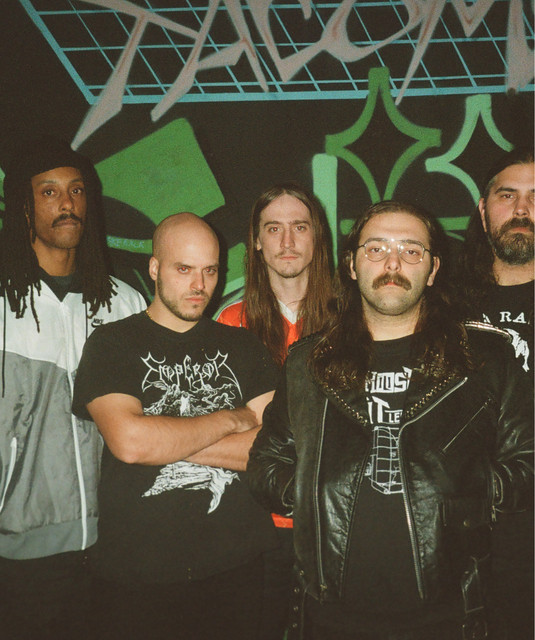
The completion of Insidious Disease's third album, featuring members from Dimmu Borgir and Napalm Death, represents another approach to the lineup question entirely. Rather than forcing classic formations to continue indefinitely, experienced musicians are increasingly forming project-based collaborations that allow creative exploration without the pressure of replacing irreplaceable members.
This supergroup model offers particular appeal for Texas extreme metal musicians, where the scene's interconnected nature already encourages cross-pollination between bands. The state's death metal acts, from technical pioneers to old-school practitioners, have long understood that creative partnerships can enhance rather than dilute individual band identities.
The approach allows veteran players to explore different aspects of their musicianship while maintaining their primary band commitments. For Texas musicians considering similar collaborative projects, the Insidious Disease model demonstrates how established artists can create space for experimentation without abandoning their core artistic statements.
Vocal Evolution and Range Discovery Shape Metal Careers
Former Queensrÿche vocalist Geoff Tate's recent comments about discovering his vocal range early in life highlight another crucial aspect of musical identity—the relationship between natural ability and developed technique. His observation that vocal discovery happened through jamming with friends underscores how organic musical development often produces more authentic results than forced technical training.
This principle holds particular relevance for Texas metal vocalists across genres, from the brutal growls required in death metal to the soaring clean vocals of progressive metal. The state's diverse heavy music scene demands equally diverse vocal approaches, and understanding one's natural range provides the foundation for genre-appropriate development.
Texas black metal acts like Necrofier exemplify how vocalists can develop distinctive approaches within established genre parameters. The key lies in recognizing natural capabilities early and building technique around those strengths rather than forcing unsuitable styles that compromise artistic authenticity.

Limited Reunions and Strategic Nostalgia
The Gathering's planned 2026 tour celebrating their "Mandylion" album's anniversary, with explicitly stated limitations on future plans, represents yet another approach to managing legacy expectations. By clearly defining the scope and duration of reunion activities, bands can satisfy fan nostalgia without committing to indefinite continuation of reformed lineups.
This strategic approach to reunion touring could benefit Texas metal acts considering similar retrospective projects. The model allows bands to honor their history while maintaining realistic expectations about future activities. It also creates opportunities for special performances without the pressure of sustaining reformed lineups beyond their natural expiration dates.
For Texas festivals and venues, these limited reunion tours create unique programming opportunities that can attract both nostalgic fans and newer audiences curious about metal history. The key lies in treating these events as celebrations rather than comebacks, managing expectations appropriately for all involved parties.
Singer Searches and Democratic Band Leadership
Skid Row's methodical approach to finding their next vocalist, including partnerships with music retailers for worldwide searches, reflects how modern bands can leverage technology and industry connections to solve personnel challenges. Their emphasis on taking time to find the right fit demonstrates patience that often produces better long-term results than hasty decisions driven by touring pressures.
This systematic approach offers lessons for Texas metal bands facing similar vocalist searches. The state's metal scene includes numerous talented vocalists across genres, but finding the right personality and creative fit requires careful consideration beyond simple technical ability.
The partnership model also suggests how regional bands might leverage local music industry connections to expand their search beyond immediate geographic boundaries. Texas metal's growing national profile creates opportunities for strategic partnerships that can elevate band profiles while solving practical personnel needs.
Technical Death Metal and International Recognition
Archspire's announcement of extensive European touring demonstrates how technical death metal continues gaining international recognition, creating opportunities for similar acts to build global audiences. The genre's emphasis on instrumental virtuosity translates across language barriers, making international touring particularly viable for technically proficient bands.
Texas technical death metal acts can draw inspiration from Archspire's touring strategies while building their own international profiles. The state's growing reputation for producing innovative extreme metal creates opportunities for local technical death metal bands to capitalize on global interest in the genre.
The key lies in developing technical proficiency while maintaining songwriting focus, avoiding the trap of prioritizing showmanship over memorable compositions that sustain international touring careers.
Local Scene Implications and Future Directions
These industry developments collectively point toward a metal scene increasingly comfortable with flexibility and adaptation. Texas metal bands navigating their own evolution can learn from both successful strategies and cautionary examples emerging from veteran acts' decisions.
The emphasis on authenticity over rigid traditionalism suggests opportunities for Texas acts to honor their influences while pursuing creative growth. Whether through strategic lineup changes, collaborative projects, or innovative touring approaches, the current industry climate rewards bands willing to adapt without compromising their core artistic vision.
For Texas metal fans and industry professionals, these trends indicate continued growth opportunities for the state's metal scene. By embracing both innovation and respect for metal tradition, Texas acts can position themselves advantageously in an evolving industry landscape that increasingly values substance over superficial adherence to outdated business models.