Digital Rights War Erupts as AI Detection Systems Target Metal Bands While Solitude Aeturnus Navigates Vocalist Transition
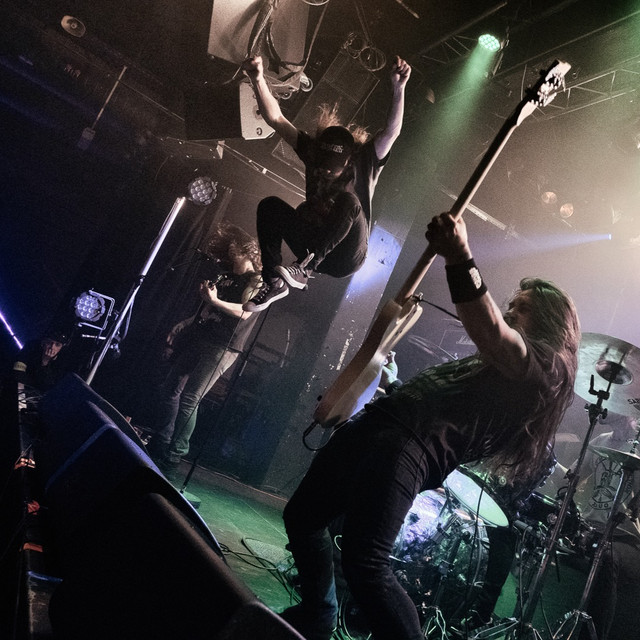
The metal underground faces a new threat as artificial intelligence detection algorithms begin flagging legitimate bands' music, while legendary Texas doom pioneers Solitude Aeturnus demonstrate how veteran acts adapt to modern challenges with strategic lineup changes and high-profile festival bookings.
When Algorithms Attack: The AI Detection Crisis
Distribution platforms are increasingly deploying automated systems to detect AI-generated content, but these digital gatekeepers are proving woefully inadequate when faced with the complexity of extreme music. Established bands find themselves caught in algorithmic crossfire, with legitimate compositions flagged as artificial intelligence creations simply because automated systems can't comprehend the intricacies of heavy music production.
This technological overreach reveals a fundamental misunderstanding of how metal music operates. The genre's layered compositions, unconventional song structures, and experimental production techniques confuse AI detection systems designed around mainstream pop formulas. When platforms rely entirely on algorithmic decision-making without human oversight, they create barriers that could stifle the very creativity that makes metal vital.
For Texas metal acts, this development represents a serious concern. Regional bands already face challenges getting their music heard on major platforms, and false AI flagging could create additional obstacles for emerging artists. Pus and other thrash acts pushing sonic boundaries might find themselves particularly vulnerable to algorithmic misinterpretation.
The Human Element in Metal Distribution
The current AI detection controversy highlights why human expertise remains crucial in music industry decision-making. Metal's evolution has always depended on passionate individuals who understand the genre's nuances—from label executives who recognize potential in unconventional demos to venue bookers who appreciate the community aspects of extreme music scenes.
Automated systems lack the cultural context to evaluate metal properly. They can't distinguish between innovative production techniques and generated content, nor can they appreciate the historical lineage that connects contemporary extreme music to its roots. This creates particular challenges for experimental acts that blend genres or incorporate unusual elements.
Texas metal's strength has always been its diversity and willingness to push boundaries. From the progressive innovations of King's X to the brutal precision of Power Trip, the state's best metal bands have succeeded by defying easy categorization. Algorithmic gatekeeping threatens to penalize exactly the kind of creative risk-taking that makes Texas metal compelling.
Solitude Aeturnus: Veteran Adaptation Strategies
While digital platforms struggle with automated decision-making, Solitude Aeturnus demonstrates how veteran Texas metal acts navigate real-world challenges through strategic adaptation. The Arlington doom legends' recent vocalist transition and Maryland Deathfest booking showcase professional approaches to lineup changes that emerging bands can learn from.
Bringing in Jason McMaster for their Maryland Deathfest performance represents shrewd festival strategy. McMaster's extensive experience and vocal versatility provide immediate credibility while the band evaluates long-term options. This calculated approach ensures Solitude Aeturnus maintains their festival presence during a transitional period, preserving momentum built through their 2024 return to activity.
The timing proves crucial for Texas doom metal development. Solitude Aeturnus emerged from the same Dallas-Fort Worth scene that produced legendary acts, and their continued evolution provides inspiration for newer doom acts like Crimson Void and The Sword. Their professional handling of lineup changes demonstrates sustainability strategies that help veteran acts remain vital without compromising their artistic vision.

International Recognition and Local Impact
Recent international developments in metal continue influencing Texas scene evolution. Swedish melodic death metal achievements and Brazilian reunion celebrations highlight how established metal territories maintain their relevance, providing models for Texas acts seeking broader recognition.
At The Gates' chart success in Sweden demonstrates the commercial potential for melodic extreme metal when executed with veteran precision. Their approach—maintaining artistic integrity while crafting accessible compositions—offers lessons for Texas melodic death metal acts seeking to expand their reach without abandoning underground credibility.
Similarly, Brazilian metal's celebration of classic lineups showcases how reunion strategies can reinvigorate scenes and introduce younger audiences to foundational influences. Texas metal's rich history, from the pioneering work of Absu to more recent innovations, provides ample material for similar retrospective celebrations that could boost regional scene visibility.
Vocal Excellence and Technical Evolution
Industry discussions about vocal technique excellence create new opportunities for Texas extreme metal development. As the metal community increasingly recognizes the technical skill required for effective extreme vocals, regional acts with strong vocal performances gain competitive advantages in crowded markets.
Texas metal has always featured exceptional vocal performances across multiple styles. From the melodic power of traditional heavy metal acts to the brutal precision required for death metal and the atmospheric demands of black metal, the state's vocalists demonstrate remarkable range and technical ability.
This focus on vocal excellence could benefit Texas metalcore acts like Catch Your Breath and Fire from the Gods, who combine extreme vocal techniques with accessible song structures. As industry recognition of extreme vocal skill grows, these acts gain additional validation for their technical achievements.

Technology Challenges and Scene Resilience
The AI detection controversy represents just one example of how technological changes create unexpected challenges for metal bands. From streaming algorithm bias to social media content restrictions, digital platforms increasingly shape how metal reaches audiences, often without understanding the genre's unique characteristics.
Texas metal's response to these challenges demonstrates the scene's adaptability and resilience. Regional acts continue developing innovative approaches to promotion and distribution, often bypassing problematic mainstream platforms through direct fan engagement and community-focused strategies.
Local venues, independent promoters, and regional media outlets become even more crucial as mainstream digital gatekeeping intensifies. Upcoming shows and grassroots promotion efforts provide alternatives to algorithm-dependent distribution methods, ensuring Texas metal maintains its connection to dedicated fan communities.
Future Implications for Texas Metal
As AI detection systems become more prevalent, Texas metal acts must prepare for increased scrutiny of their digital distribution strategies. This technological shift, combined with ongoing industry evolution, creates both challenges and opportunities for regional scene development.
The key lies in maintaining focus on authentic creativity while developing professional approaches to industry navigation. Solitude Aeturnus' strategic lineup management and festival positioning demonstrate how veteran professionalism helps acts weather transitional periods successfully.
For emerging Texas metal acts, the current environment emphasizes the importance of building strong local foundations before pursuing broader recognition. Regional scene support, professional development, and authentic artistic vision remain the most reliable paths to sustainable metal careers.
The digital rights controversy also highlights why community support remains crucial for metal's continued vitality. Whether challenging algorithmic overreach or supporting bands through lineup transitions, the metal community's collective response shapes the genre's future development. Texas metal's strong community traditions position the scene well to navigate these evolving challenges while maintaining its creative independence.