Death Metal Supergroups and Fort Worth Festival Debut Signal Texas Metal Scene Evolution
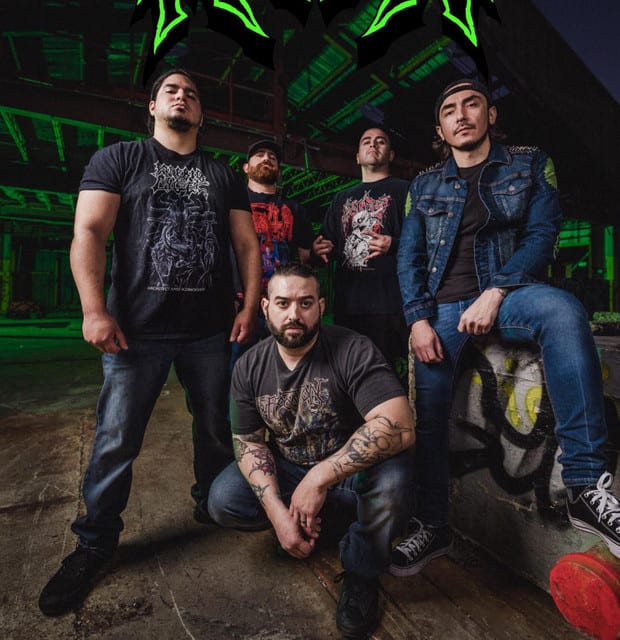
The Texas metal landscape continues its aggressive expansion as supergroup formations and major touring announcements reshape how the state's heavy music scene connects with national circuits. Recent developments in death metal collaborations and the inaugural Fort Worth edition of established festivals demonstrate how new metal bands 2026 are leveraging veteran expertise while creating fresh opportunities for regional acts.
Supergroup Strategy Influences Regional Death Metal Development
The formation of death metal supergroup Ablation, featuring former Suffocation vocalist Frank Mullen alongside members from Sanguisugabogg and other established acts, represents a strategic approach that Texas death metal bands are increasingly adopting. This collaborative model—where veteran performers unite with emerging talent—creates a blueprint for how regional acts can leverage experience while maintaining creative momentum.
For Texas death metal acts like Crematory Digestor and Kryptik Mutation, the supergroup phenomenon demonstrates how strategic partnerships can amplify individual band strengths. Mullen's involvement with Ablation particularly resonates within Texas death metal circles, as his technical approach and vocal methodology have influenced countless regional performers who cut their teeth on classic Suffocation releases.
The collaborative approach extends beyond simple guest appearances. Modern supergroups function as creative laboratories where established techniques meet experimental approaches, creating hybrid sounds that individual bands can then adapt to their regional contexts. Texas death metal acts have historically excelled at this adaptation process, taking national influences and filtering them through distinctly regional perspectives.
Fort Worth Festival Circuit Expansion Creates New Opportunities
Clutch's announcement of their fall 2026 tour, which includes stops at the inaugural Fort Worth edition of established festivals, signals a significant development for Texas metal infrastructure. The expansion of festival circuits into Fort Worth represents more than simple geographic diversification—it creates new pathways for regional acts to secure opening slots and festival appearances within their home state.
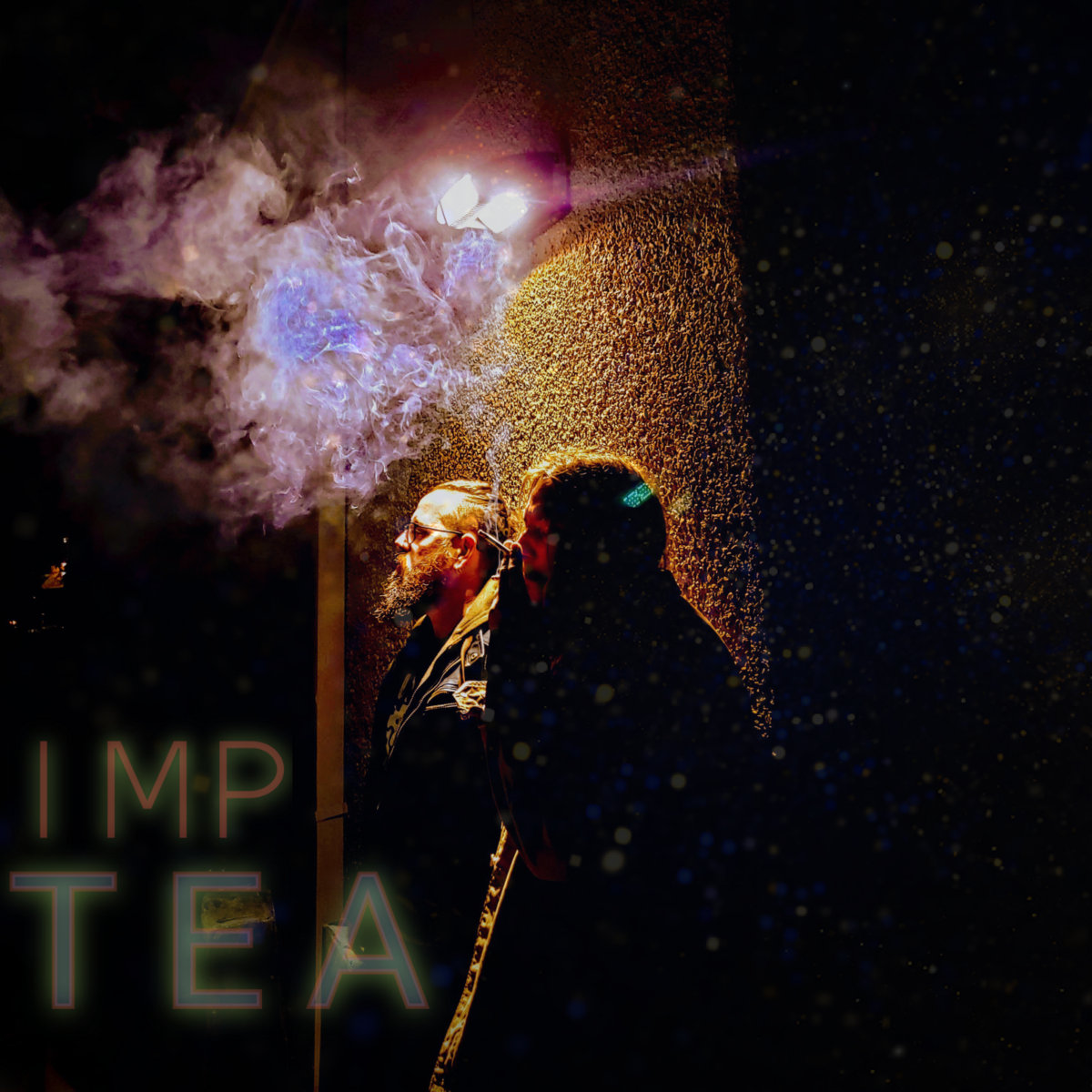
This development particularly benefits Texas stoner and doom acts, as Clutch's touring partnerships historically favor bands operating in similar sonic territories. Acts like Imp Tea and Egypt stand to gain significant exposure opportunities as the Fort Worth festival circuit establishes its programming priorities and local support requirements.
The timing coincides with broader industry recognition of Texas as a viable touring market beyond traditional Austin-Dallas-Houston circuits. Fort Worth's emergence as a festival destination reflects the city's growing infrastructure investment and audience development, creating sustainable platforms for metal bands touring 2026 to reach Texas audiences without relying solely on established venue networks.
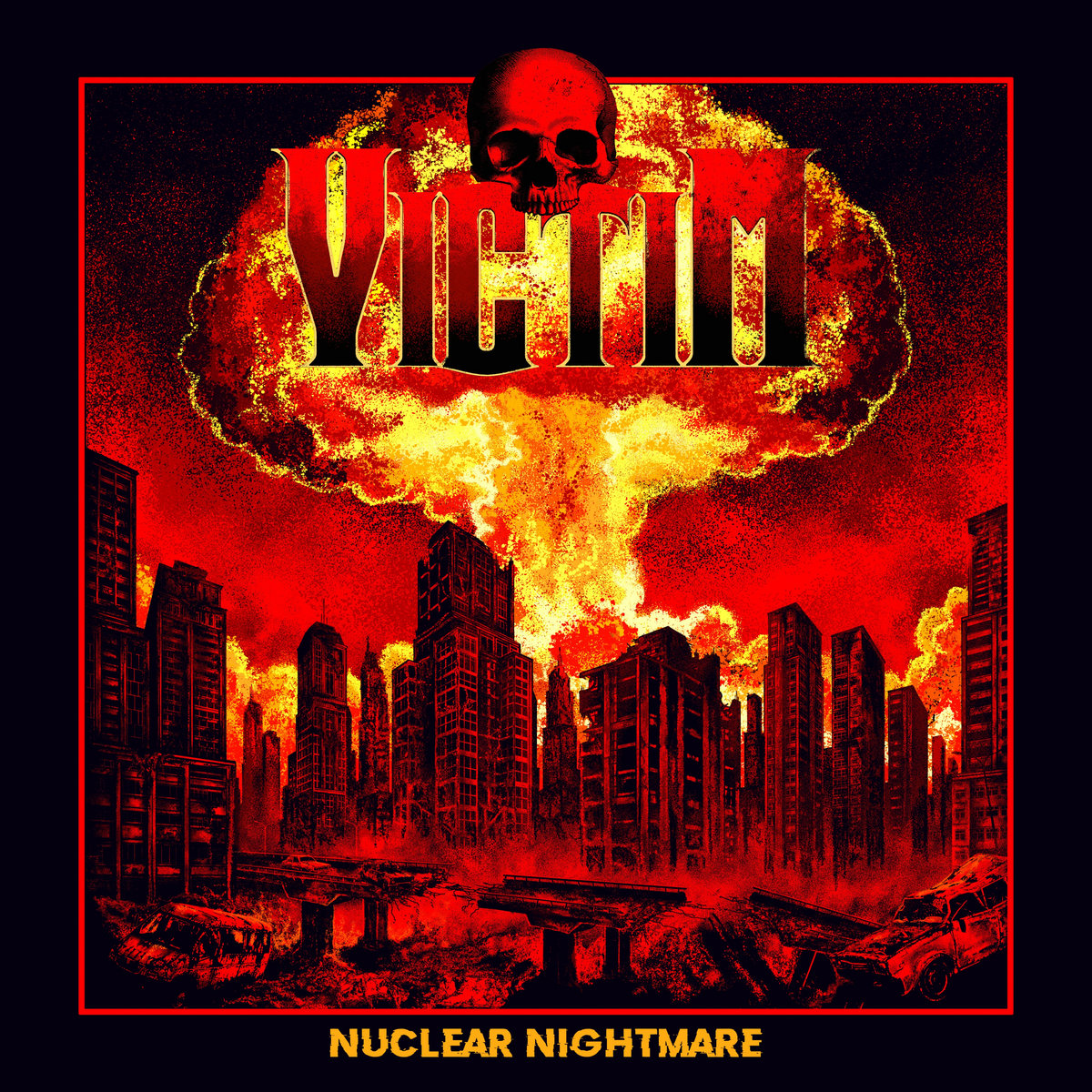
Regional thrash acts also benefit from this expansion, as festival environments often showcase multiple genres across single events. Victim and similar Texas thrash bands can leverage these festival opportunities to reach audiences who might not attend genre-specific shows but discover new acts through festival programming diversity.
Progressive Metal Evolution and Regional Scene Development
The continued activity from progressive metal veterans, including new material development from established acts, creates ripple effects throughout Texas metal scenes. Progressive metal's emphasis on technical proficiency and compositional complexity influences how regional bands approach songwriting and performance standards.
Texas progressive metal acts have historically punched above their weight class, with bands achieving national recognition through technical excellence rather than pure marketing power. This tradition continues as best metal bands from Texas demonstrate that regional scenes can produce world-class technical performers without sacrificing regional identity or creative authenticity.
The progressive metal influence extends into adjacent genres, as thrash and death metal bands incorporate progressive elements while maintaining their core sonic identities. This cross-pollination strengthens the overall Texas metal scene by creating more sophisticated compositions and performance standards across genre boundaries.
Legacy Acts and Contemporary Relevance
Recent activity from legacy metal acts, including new material development and touring announcements, demonstrates how veteran performers maintain contemporary relevance while influencing emerging regional scenes. These developments provide roadmaps for Texas metal bands seeking long-term career sustainability beyond initial breakthrough periods.
The approach taken by veteran acts—combining classic songwriting approaches with modern production techniques—offers particular insights for Texas heavy metal and NWOTHM acts. These bands operate in genres where tradition and innovation must balance carefully, making veteran strategies especially relevant for regional acts seeking to honor influences while developing distinct identities.
Legacy act touring patterns also create support slot opportunities for regional bands, as veteran acts often prefer working with local openers who understand professional standards and audience expectations. Texas bands have historically excelled in these support roles, using opening slots to demonstrate their capability and build relationships with national touring circuits.
Industry Production Trends and Regional Adaptation
Current production collaborations between established bands and renowned producers signal evolving industry standards that regional acts must navigate. The emphasis on producer selection and studio collaboration reflects how modern metal bands approach recording as creative partnership rather than simple documentation.
Texas metal bands benefit from the state's growing studio infrastructure, as regional producers develop relationships with national acts and bring that expertise back to local projects. This creates opportunities for Texas bands to access high-level production capabilities without relocating to traditional recording centers.
The production trend toward genre-crossing approaches—where producers known for specific sounds work with bands in different genres—opens new possibilities for Texas metal acts seeking distinctive sonic identities. Regional bands can leverage these production innovations to differentiate themselves within increasingly crowded national markets.
Festival Programming and Regional Band Positioning
The expansion of festival circuits into Texas markets creates new requirements for regional bands seeking festival slots. Modern festival programming emphasizes diversity across metal subgenres, creating opportunities for specialized Texas acts to secure positions based on their unique contributions to lineup variety.
Festival organizers increasingly recognize Texas metal scenes as reliable sources for professional acts capable of delivering festival-appropriate performances. This reputation benefits the entire regional scene, as festival success by individual bands creates opportunities for additional Texas acts in subsequent programming cycles.
The festival expansion also influences how Texas metal bands approach their development priorities, as festival-ready performance capabilities become essential for acts seeking to advance beyond regional club circuits. This evolution raises professional standards while creating clear advancement pathways for emerging bands.
As Texas metal continues evolving through supergroup collaborations, festival expansion, and production innovations, regional bands gain access to increasingly sophisticated career development opportunities. The combination of veteran expertise, expanding infrastructure, and industry recognition positions the Texas metal scene for continued growth throughout 2026 and beyond, creating sustainable platforms for both established acts and emerging talent to reach national audiences while maintaining regional authenticity.