Health Battles Transform Metal Perspectives as Texas Scene Adapts to Industry's Vulnerability
Jason Newsted's recent candid discussion about his throat cancer battle represents more than a personal health crisis—it signals a broader transformation in how metal musicians approach vulnerability and mortality. The former Metallica bassist's openness about coming close to "not breathing" reflects a growing trend among veteran metalheads: replacing the genre's traditional stoicism with honest dialogue about physical and mental health challenges.
Medical Reality Meets Metal Mythology
For decades, metal culture celebrated pushing physical limits—screaming until vocal cords bled, headbanging until necks required surgery, playing through injuries that would sideline athletes. Newsted's throat cancer diagnosis forces a reckoning with those practices. At 63, the bassist who thundered through Metallica's most commercially successful era now faces the reality that decades of aggressive performance took a toll beyond what anyone anticipated.
This vulnerability extends beyond individual cases. Devin Townsend recently acknowledged surviving "more than three decades" without formal vocal technique, while other veterans quietly manage hearing loss, joint problems, and substance recovery. The conversation is shifting from "metal gods" to "metal humans," creating space for younger musicians to prioritize longevity over destructive intensity.
Texas metal acts are particularly well-positioned to benefit from this cultural shift. The state's diverse musical heritage—from blues to country to punk—has always emphasized authenticity over artificial toughness. Local bands like ATM blend hardcore punk with sludge metal in ways that channel aggression without sacrificing sustainability, while acts across the spectrum are learning to balance intensity with intelligent career management.
Vocal Health Becomes Strategic Priority
The revelation about Newsted's throat issues coincides with broader industry conversations about vocal sustainability. Tarja Turunen's recent decision to abandon high heels during performances—citing practical concerns over theatrical tradition—exemplifies how veteran performers are choosing career longevity over visual spectacle.
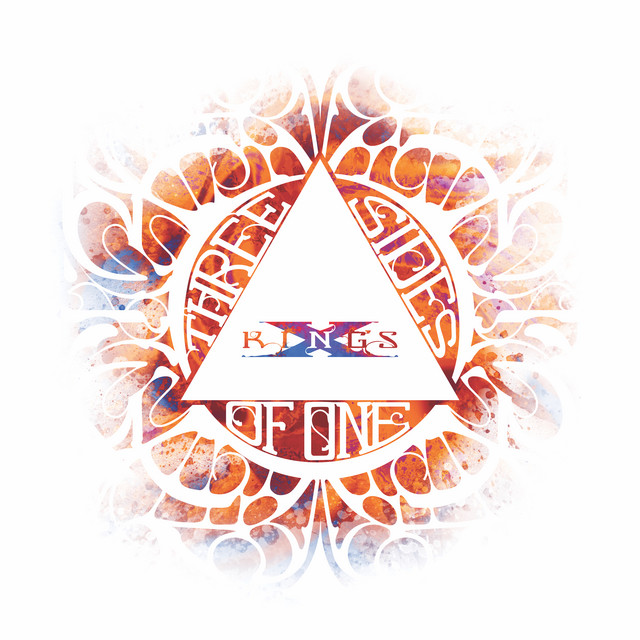
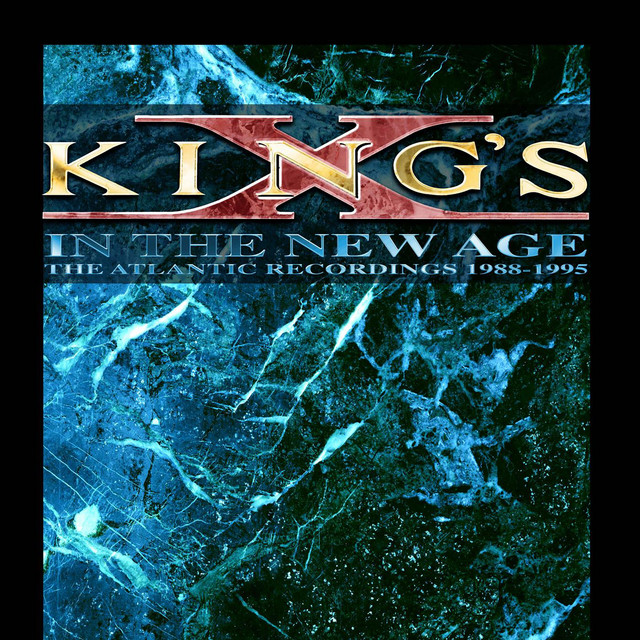
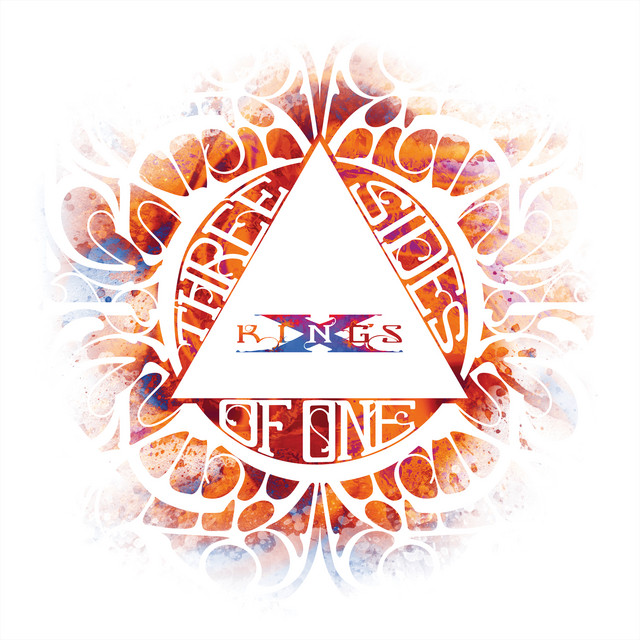
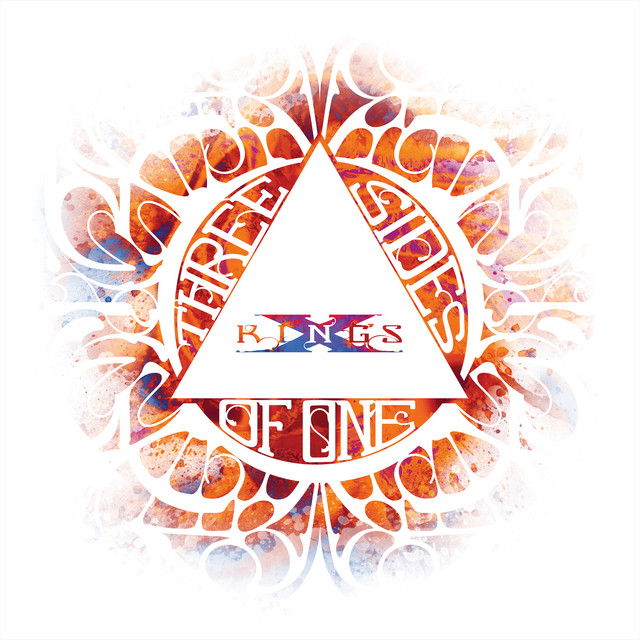
For Texas metal musicians, this creates opportunities to establish different performance standards. Rather than competing with decades of accumulated stage mythology, regional acts can build careers around musical excellence and intelligent presentation. The King's X model—combining powerful performances with professional sustainability—becomes more relevant as the broader metal community abandons unsustainable practices.
This shift particularly benefits progressive and technical metal acts that rely on precision over pure aggression. Bands exploring complex arrangements and sophisticated songwriting can now compete on musical merit rather than endurance contests that favor youth over experience.
Industry Economics Support Health-Conscious Approaches
The current touring landscape reinforces these trends toward sustainability. With international acts struggling to afford US tour costs and veteran musicians managing health issues, there's increased demand for reliable, professional regional talent. Texas metal bands that can deliver consistent performances without the drama of health crises become valuable assets for promoters and festivals.
Tesla's Brian Wheat recently emphasized that touring remains essential income for working musicians, but the key word is "working." Bands that approach their craft as sustainable careers rather than short-term explosions of intensity are better positioned for long-term success. This particularly benefits Texas acts with diverse musical backgrounds who can adapt to different venue requirements and audience expectations.
The state's established music infrastructure—from Austin's festival circuit to Houston's club scene to Dallas's recording facilities—provides frameworks for career development that prioritize professional growth over destructive behaviors. Musicians can build regional followings while maintaining health practices that support decades-long careers rather than burning out in their twenties.
Mastodon's Upcoming Release Signals Mature Metal Approaches
Mastodon's announcement of their ninth studio album demonstrates how veteran acts are adapting to current realities. Rather than rushing releases or pursuing unsustainable recording marathons, the band completed sessions on their timeline and announced the project when ready. This professional approach contrasts sharply with earlier metal eras that celebrated chaos and unpredictability over business competence.
For emerging Texas metal acts, Mastodon's model provides blueprints for sustainable creativity. The band's evolution from sludge metal extremity to progressive accessibility shows how musicians can maintain artistic integrity while making intelligent career decisions. Their approach to album cycles, touring schedules, and media engagement prioritizes longevity over immediate impact.
This creates space for regional bands to develop their own sustainable approaches to creativity and business. Rather than following outdated models of self-destructive artistic pursuit, Texas metal musicians can build careers that support families, communities, and long-term creative goals.
Texas Scene Positioned for Health-Conscious Growth
The combination of health awareness, economic realities, and cultural shifts positions the Texas metal scene for significant expansion. As veteran acts confront mortality and younger musicians prioritize sustainability, there's growing demand for professional regional talent that can deliver quality performances without the complications of addiction, health crises, or interpersonal drama.
Texas metal's diversity becomes a strategic advantage in this environment. The state's musical heritage supports acts that can cross genre boundaries, appeal to different demographics, and adapt to various venue requirements. This flexibility proves valuable as the industry moves away from narrow subgenre specialization toward broader musical competence.
The current moment offers unique opportunities for Texas metal acts willing to combine musical excellence with professional reliability. As the broader metal community grapples with health challenges and economic pressures, regional scenes that emphasize sustainability over self-destruction are positioned to capture increasing market share.
Future Implications for Regional Metal Development
Newsted's health battle and similar revelations from metal veterans create openings for new conversations about career sustainability, creative longevity, and community responsibility. The traditional metal narrative of "live fast, die young" is giving way to more mature approaches that support musicians through decades-long careers.
For Texas metal musicians, this represents a generational opportunity to establish different professional standards. Rather than competing with unsustainable models from previous eras, regional acts can build careers around musical excellence, professional reliability, and community engagement.
The state's established music infrastructure, diverse cultural influences, and growing recognition provide foundations for sustainable metal scene development. As veteran musicians confront health realities and industry economics force strategic thinking, Texas metal acts that combine artistic ambition with intelligent career management are positioned to define the genre's future direction.
Check out our upcoming shows page to see how Texas metal bands are putting these sustainable approaches into practice, and visit our submit your band section if you're ready to contribute to the state's evolving metal landscape with your own health-conscious approach to heavy music.