Legendary Guitarists Return While Mastodon Faces Uncertain Future Without Brent Hinds
The metal world continues to witness seismic shifts as veteran musicians navigate health comebacks, legendary acts face uncertain futures, and established bands explore new creative territories. Recent developments showcase both the resilience of metal's elder statesmen and the inevitable changes that reshape even the most established acts.
Hatebreed's Wayne Lozinak Triumphantly Returns Post-Surgery
Connecticut hardcore legends Hatebreed welcomed guitarist Wayne Lozinak back to the stage following his successful brain surgery recovery. Lozinak's return represents more than just a personnel update—it signals the continuing evolution of hardcore and metal's approach to health challenges. Rather than the destructive "play through anything" mentality that once defined extreme music, today's veterans prioritize sustainable careers and proper medical care.
This professional approach to health management creates valuable lessons for emerging acts across the Texas metal scene. Bands like Fire from the Gods and other Texas metalcore acts can observe how established musicians balance career longevity with the physical demands of extreme music performance.
Lozinak's successful comeback also demonstrates the loyalty that defines metal's community structure. Hatebreed's willingness to wait for their guitarist's full recovery, rather than rushing into permanent replacement scenarios, shows how veteran acts prioritize relationships over convenience—a model that benefits newer bands building their own sustainable foundations.
Mastodon Completes First Album Without Founding Member
Atlanta progressive metal giants Mastodon have finished recording their first album without founding guitarist Brent Hinds, with drummer Brann Dailor describing the process as "confusing" and acknowledging it was "a hard record to make." This development marks a significant turning point for one of modern metal's most influential acts, whose technical prowess and genre-blending approach have inspired countless musicians.
Mastodon's situation reflects the complex dynamics that emerge when long-established bands face major lineup changes. Unlike younger acts where member departures might signal instability, veteran bands must navigate decades of creative chemistry while adapting to new collaborative processes. The band's decision to continue without Hinds rather than disbanding demonstrates the institutional strength that successful metal acts develop over time.
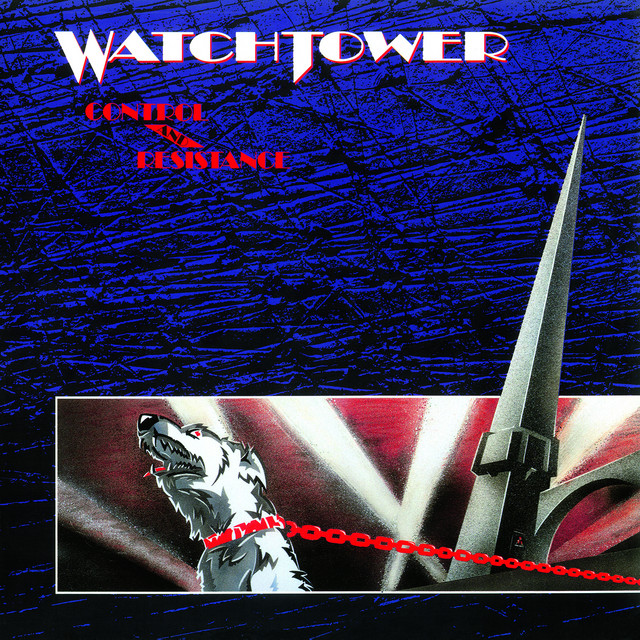
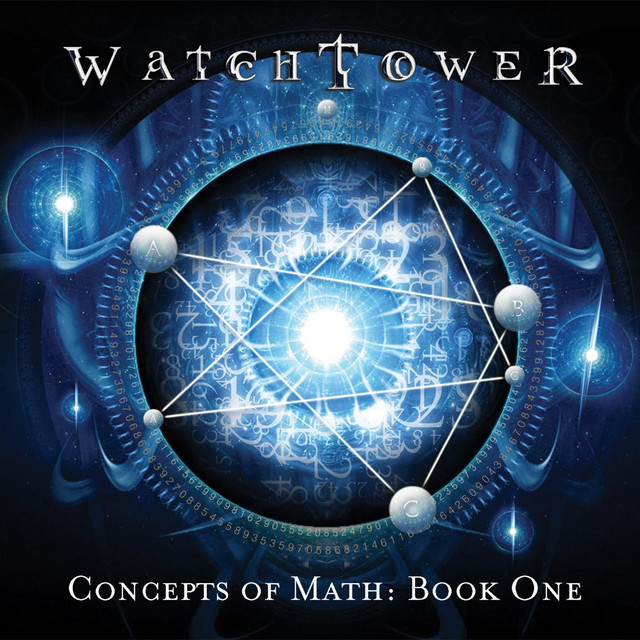
For Texas progressive metal acts like Khepera and Watchtower, Mastodon's approach offers insights into managing creative transitions. The Atlanta band's willingness to embrace uncertainty while maintaining their core identity provides a roadmap for regional acts facing their own evolutionary challenges.
Guitar Virtuosos Explore New Collaborative Territories
Former Whitesnake and Night Ranger guitarist Joel Hoekstra made his debut performance with RATT frontman Stephen Pearcy's solo project, highlighting the ongoing collaboration trends among established metal and hard rock musicians. These high-profile partnerships demonstrate how veteran players continue expanding their creative networks rather than remaining confined to single-band identities.
Hoekstra's diverse resume—spanning mainstream rock acts, theater productions, and heavy metal—illustrates the career flexibility that today's professional musicians must develop. This versatility becomes particularly relevant for emerging Texas acts seeking to build sustainable careers in an increasingly complex industry landscape.
The willingness of established musicians to explore new collaborative territories also creates opportunities for regional scenes. When veteran players demonstrate openness to diverse projects, it signals broader industry acceptance of genre-blending and cross-pollination that benefits innovative local acts.
DevilDriver Debuts New Material at Major Festival
California groove metal veterans DevilDriver premiered their new single "Dig Your Own Grave" at Welcome To Rockville, showcasing how established acts use major festival platforms to introduce fresh material. The band's strategic choice to debut new songs at high-profile events demonstrates the continued importance of live performance in building audience connection with unreleased material.
DevilDriver's approach highlights the evolving relationship between studio recordings and live performance in metal culture. Rather than simply promoting existing albums, bands increasingly use festival appearances to test new material and gauge audience response before final releases. This strategy allows for real-time creative feedback that can influence final production decisions.
For Texas metal acts seeking to maximize their festival appearances, DevilDriver's approach offers valuable insights into leveraging these platforms for creative development rather than simply promotional purposes. Regional bands can apply similar strategies at upcoming shows throughout Texas, using live performance as a laboratory for refining new material.
Mike Ness Reflects on Cancer Battle and Creative Renewal
Social Distortion's Mike Ness opened up about his cancer recovery and its impact on his creative approach, describing how the experience led him to sing "like there was no tomorrow." Ness characterized their new song "Born to Kill" as potentially representing the band's mission statement, suggesting that health challenges can crystallize artistic purpose rather than diminish creative drive.
The Social Distortion frontman's perspective on cancer recovery adds to a growing narrative of metal musicians confronting health challenges with renewed creative intensity. Rather than viewing serious illness as career-ending, veteran musicians increasingly frame these experiences as opportunities for artistic renewal and deeper creative commitment.
This approach to adversity resonates throughout metal culture, where personal struggles have always fueled creative expression. Ness's public discussion of his recovery process provides encouragement for other musicians facing similar challenges while demonstrating how vulnerability can strengthen rather than weaken artistic authenticity.
European Tours and International Expansion
Finnish melodic death metal masters Amorphis announced their extensive European "Borderland Tour 2027" with support from Insomnium and Unto Others, while Billy Corgan revealed plans for a European tour celebrating Smashing Pumpkins' "Mellon Collie and the Infinite Sadness." These announcements highlight the continued importance of international touring for established metal acts.
The scale and advance planning of these European tours demonstrates the organizational infrastructure required for successful international metal touring. Amorphis's ability to coordinate multi-band packages across numerous countries reflects the professional development that allows metal acts to sustain global careers over multiple decades.
For emerging Texas metal bands, these international touring announcements provide insights into the long-term career development strategies employed by successful acts. Understanding the progression from regional touring to international circuit development helps local bands plan realistic career trajectories and identify necessary infrastructure investments.
The metal scene continues evolving as veteran musicians demonstrate resilience through health challenges, creative transitions, and international expansion while maintaining the authentic expression that defines extreme music culture. These developments create valuable lessons for the thriving Texas metal scene, where bands can observe how established acts navigate industry changes while preserving their artistic integrity.