Songwriting Philosophies Divide Metal Veterans as Texas Bands Navigate Technology's Creative Balance
The metal world finds itself at a creative crossroads as legendary musicians reveal drastically different approaches to songwriting, technology, and artistic integrity. Recent revelations about everything from vintage song preferences to modern production methods are sparking conversations that resonate deeply within the Texas metal scene, where bands must balance tradition with innovation to survive in an evolving industry.
The Art of Perfect Songcraft: Lessons from Skid Row's Rachel Bolan
Skid Row bassist Rachel Bolan's recent commentary on "perfectly crafted" songs offers a masterclass in understanding what makes music timeless. His choice to highlight Boz Scaggs' "Lido Shuffle" alongside another track demonstrates how metal musicians increasingly recognize excellence across genre boundaries. This perspective reflects a maturity that Texas metal acts have embraced for decades, drawing inspiration from blues, country, and classic rock to create distinctly regional sounds.
The concept of perfect songcraft becomes particularly relevant when examining the best heavy metal songs that have stood the test of time. These tracks share common elements: memorable hooks, dynamic arrangements, and emotional authenticity that transcends technical complexity. Texas bands like Scorpion Child have built their reputation on understanding these principles, crafting Southern heavy rock that honors both metal traditions and regional musical heritage.
For emerging acts in the Texas scene, Bolan's observations serve as crucial guidance. The ability to recognize and analyze great songwriting across genres becomes essential for bands seeking to develop their own voice while remaining commercially viable. This cross-pollination approach has historically separated Texas metal from other regional scenes, creating a more diverse and resilient musical ecosystem.
Korn's Creative Explosion: Quantity Meets Quality in Modern Metal
Korn guitarist James "Munky" Shaffer's revelation about writing nearly 40 songs for their upcoming album represents both the band's renewed creative energy and the modern metal industry's demand for extensive material. His candid discussion of former bassist Fieldy's disengagement during previous recording cycles highlights how interpersonal dynamics directly impact creative output in ways that many Texas bands understand intimately.
The sheer volume of material Korn has generated reflects a broader trend among veteran metal acts who recognize the need to remain prolific in an attention-deficit digital landscape. This approach contrasts sharply with the more focused, album-oriented mindset that dominated the 80s metal bands era, when fewer songs received more concentrated development time.
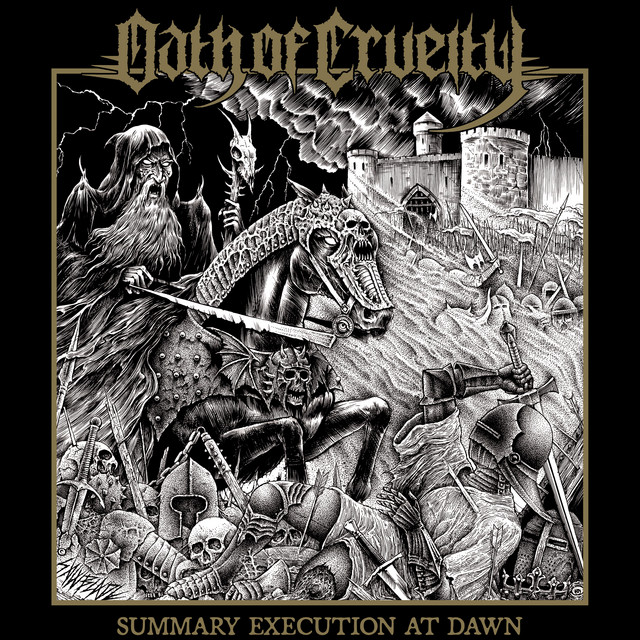
Texas metal acts can draw important lessons from Korn's current creative surge versus their previous struggles with unmotivated band members. The state's thrash metal scene, including bands like Oath of Cruelty and Bed of Nails, operates with the understanding that every member must contribute fully to the creative process. The collaborative nature of successful Texas metal often prevents the kind of disengagement that temporarily hampered Korn's productivity.
Technology Versus Tradition: Armored Saint's Breathing Room Philosophy
John Bush's comments about Armored Saint's writing process reveal a crucial tension facing modern metal bands: how to utilize advancing technology without sacrificing musical authenticity. His emphasis on allowing "music to breathe" rather than becoming enslaved to technological possibilities speaks directly to concerns many Texas musicians share about maintaining organic creativity in an increasingly digital world.
The industrial metal scene in Texas, represented by bands like Hell Society and A Dark Halo, faces this balance more acutely than most genres. These acts must integrate electronic elements and digital production techniques while preserving the human elements that make metal emotionally compelling. Bush's philosophy suggests that sophistication should enhance rather than replace fundamental musical communication.
This technological debate extends beyond production techniques to influence how bands approach composition, arrangement, and even live performance. Texas metal acts have generally embraced a pragmatic approach, using technology as a tool while maintaining the raw intensity that defines heavy music. The state's diverse metal landscape, from progressive acts like Lizard Professor to more traditional bands like BlackWolfe, demonstrates various successful approaches to this balance.
Industry Challenges: From Cancelled Tours to Creative Reinvention
The news of tour cancellations due to low ticket sales reflects broader economic pressures facing metal bands worldwide. These challenges force musicians to reconsider traditional touring models and explore alternative revenue streams, pushing creative boundaries in unexpected directions. Texas acts, with their strong regional fanbase and diverse venue options, often weather these industry storms better than bands dependent solely on national touring circuits.
The emergence of new subgenres like "gloom metal" demonstrates how musicians adapt to changing market conditions by creating fresh sounds that capture attention in an oversaturated marketplace. Texas bands have historically excelled at genre-blending innovation, with acts spanning doom, stoner, and progressive territories finding ways to stand out among thousands of competing artists.
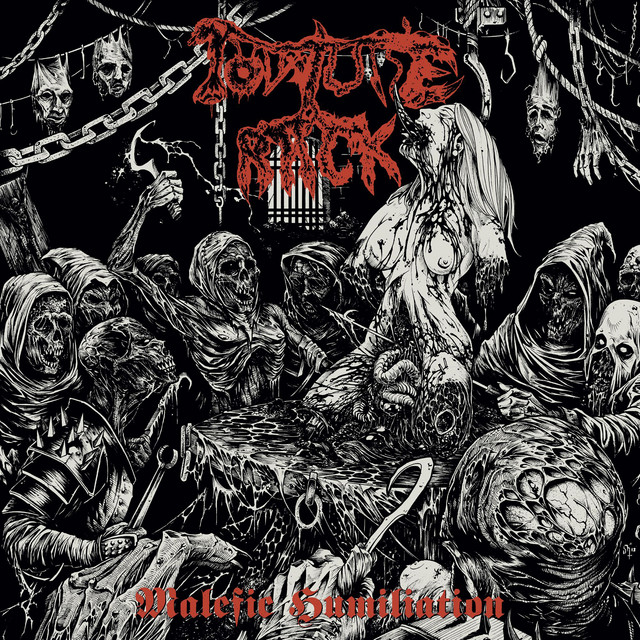
Regional scenes become increasingly important as national touring becomes more challenging. Texas metal's strength lies in its depth – the state supports everything from extreme death metal acts like Torture Rack to more accessible heavy metal bands like Spell Breaker. This diversity creates multiple pathways for bands to develop sustainable careers without relying exclusively on national success.
The Texas Advantage: Regional Strength in National Context
As veteran musicians share their creative philosophies and industry veterans adapt to changing conditions, the Texas metal scene benefits from lessons learned across decades of heavy music evolution. The state's best metal bands have consistently demonstrated the ability to balance innovation with tradition, technology with authenticity, and regional identity with broader appeal.
The current industry climate rewards bands that understand songcraft fundamentals, maintain strong internal dynamics, use technology wisely, and adapt to changing market conditions. Texas metal acts have developed these skills through necessity, operating in a competitive regional environment that demands excellence across multiple dimensions.
Looking toward the new metal bands 2026 landscape, Texas appears well-positioned to produce acts that combine the songwriting sophistication Bolan admires, the creative productivity Korn demonstrates, and the technological balance Armored Saint advocates. The state's metal infrastructure continues supporting both established acts and emerging talent, creating opportunities for sustained growth even as national industry conditions remain challenging.
The conversations sparked by these veteran musicians' recent statements ultimately serve Texas metal well, providing frameworks for understanding how great bands maintain relevance while staying true to their artistic vision. As the scene continues evolving, these philosophical foundations will guide the next generation of Texas metal toward even greater achievements.