Genre-Blending Revolution Transforms Metal as Nü-Metal's Return Connects Psychology with Heavy Sound
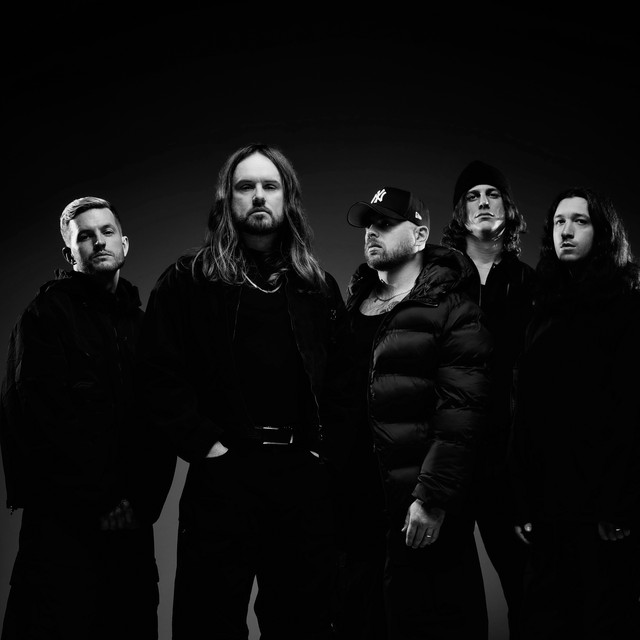
The metal world is experiencing a fascinating convergence of psychological depth, genre experimentation, and nostalgic revival as new releases showcase how heavy music continues to evolve beyond traditional boundaries. From horror film masters venturing into metal territory to bands exploring Jungian philosophy through their sound, today's developments reveal a scene increasingly comfortable with intellectual and artistic risk-taking.
Horror Masters Cross Into Metal Territory
The announcement that legendary filmmaker John Carpenter plans to release a full metal album alongside his "Cathedral" graphic novel represents a significant crossover moment for the genre. Known primarily for his iconic horror soundtracks, Carpenter's venture into metal proper suggests the growing recognition of heavy music as a legitimate artistic medium capable of carrying complex narratives.
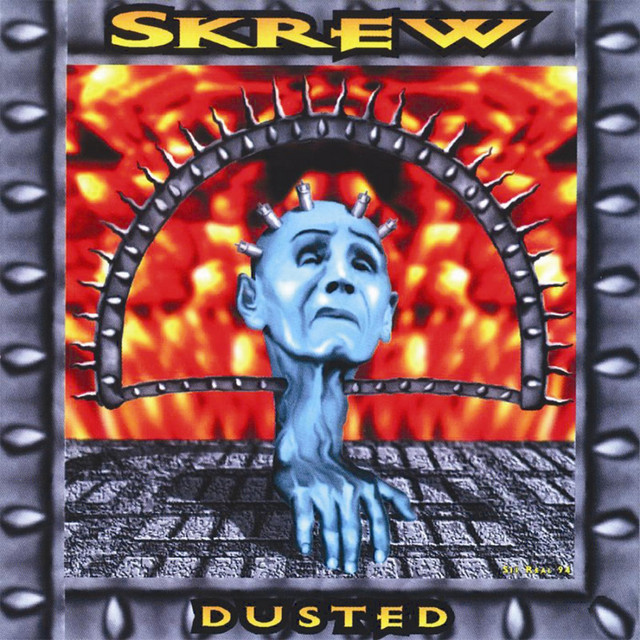
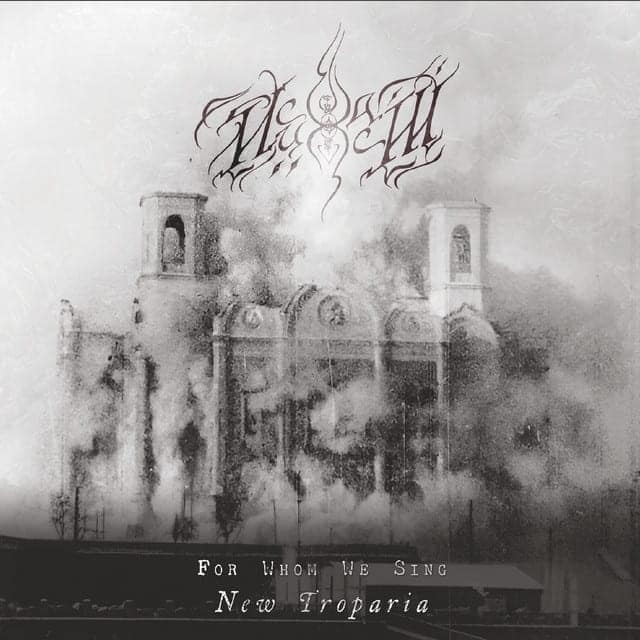
This type of multimedia approach resonates particularly well with Texas metal acts who have long understood the power of visual storytelling. Bands like Hesychast have demonstrated how atmospheric approaches to extreme music can create cinematic experiences, while industrial pioneers Skrew helped establish Texas as a breeding ground for genre-crossing innovation decades ago.
Carpenter's decision to embrace metal fully, rather than simply incorporating heavy elements into his soundtrack work, signals a broader trend of established artists recognizing metal's creative potential. For Texas metal bands looking to expand their own artistic horizons, this serves as validation that heavy music can successfully support ambitious conceptual projects.
Psychology Meets Metal in New Wave of Intellectual Heavy Music
Perhaps even more intriguing is the emergence of bands like Profiler, whose new "Shadow" music video explicitly engages with Jungian psychology. This represents a sophisticated approach to metal that goes beyond surface-level aggression to explore deeper psychological themes through heavy sound.
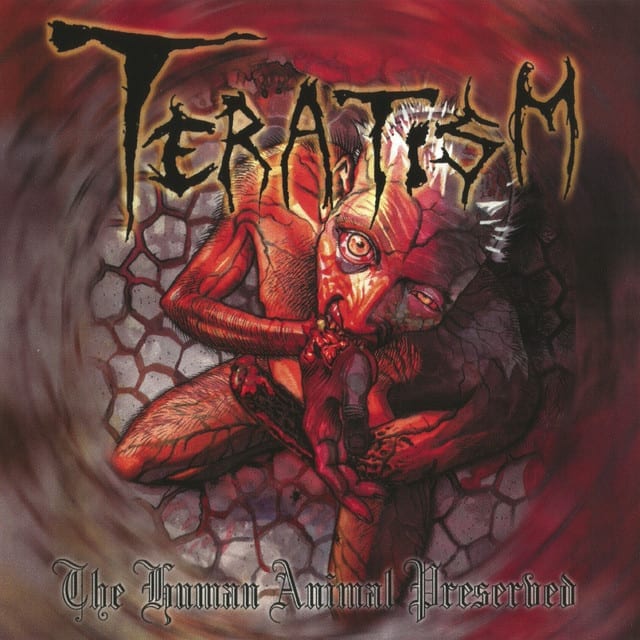
The integration of psychological concepts into metal isn't entirely new, but the explicit engagement with academic theory suggests a maturing of the genre's intellectual ambitions. Texas has produced numerous bands capable of this level of conceptual depth, particularly in the black metal scene where acts like Teratism have long explored philosophical themes through extreme music.
This trend toward intellectual metal creates opportunities for Texas bands to distinguish themselves through thoughtful concept development. The state's strong university presence and diverse cultural landscape provide fertile ground for bands seeking to combine academic concepts with heavy musical expression.
Nü-Metal's Unexpected Renaissance
The signing of Australian nü-metalcore act Headwreck to a major hip-hop and pop label demonstrates how the maligned nü-metal sound is finding new life in contemporary music. This genre-blending approach, once dismissed by metal purists, now appears prophetic as younger audiences embrace musical diversity over rigid categorization.
Texas has a complex relationship with nü-metal, having produced both champions and critics of the style during its initial peak. The current revival offers an opportunity for Texas metal bands to revisit elements that were perhaps too hastily abandoned. The key lies in approaching these influences with the wisdom gained from decades of genre evolution.
Modern takes on nü-metal elements can be heard in the work of various Texas metalcore acts, including nationally recognized bands like Fit For a King, who have successfully incorporated diverse influences while maintaining heavy credibility. The lesson for emerging Texas bands is that genre boundaries matter less than authentic expression and solid songwriting.
Veteran Acts Demonstrate Sustained Excellence
The revelation that Joe Satriani spent hours studying YouTube videos of other guitarists playing Eddie Van Halen's parts highlights the dedication required even at the highest levels of musical performance. This commitment to preparation and respect for musical heritage offers crucial lessons for Texas metal musicians at all career stages.
Fear Factory's decision to dig deep into their catalog for rare tracks during their anniversary tour demonstrates how veteran acts can surprise longtime fans while introducing newer audiences to forgotten gems. Texas metal bands with substantial catalogs can learn from this approach, using special performances to showcase their evolution while honoring their roots.
Meanwhile, the potential return of Poison in 2027 for their album anniversary shows how nostalgia tours can provide financial stability for veteran acts. While Texas may not have produced many arena-level metal acts from the 1980s, the state's numerous regional metal veterans could potentially benefit from similar anniversary celebration strategies.
Global Perspectives Inform Local Strategies
The announcement of major European festivals featuring diverse lineups, from punk legends to contemporary metal acts, illustrates how international scenes continue to embrace genre diversity. Texas metal bands seeking touring opportunities should note how these festivals balance nostalgia acts with emerging talent, creating opportunities for skilled regional bands to share stages with established names.
The global nature of today's metal scene means that Texas bands must think beyond regional boundaries while maintaining their distinctive regional identity. The state's unique cultural position—combining Southern, Western, and Mexican influences—provides Texas metal acts with inherent advantages in standing out from generic international competition.
Cultural Crossover and Mainstream Recognition
Perhaps most surprisingly, the resurrection of the "What the F*ck Is Up Denny's?!" viral video for an official corporate campaign demonstrates how metal aesthetics and aggressive performance styles have permeated mainstream culture. This type of crossover recognition suggests new opportunities for metal bands to find unexpected platforms and audiences.
Texas metal bands should pay attention to how their regional identity and performance style might translate to non-traditional venues and opportunities. The state's strong brand recognition and cultural distinctiveness can open doors that might remain closed to bands from less distinctive regions.
Looking Forward: Innovation Within Tradition
Today's developments reveal a metal scene increasingly comfortable with experimentation, intellectual depth, and genre-crossing innovation. Texas metal bands are well-positioned to capitalize on these trends, given the state's long history of musical innovation and willingness to blend diverse influences.
The key for Texas metal acts lies in combining the state's natural advantages—cultural diversity, strong regional identity, and independent spirit—with the broader trends toward psychological depth, multimedia presentation, and genre-fluid approaches to heavy music. As the examples from today's news demonstrate, success in modern metal requires both respect for the genre's foundations and willingness to push beyond traditional boundaries.
Whether through horror-influenced concept albums, psychology-informed lyrics, or strategic genre-blending, Texas metal bands have numerous paths toward distinction in an increasingly crowded field. The challenge lies in choosing approaches that feel authentic rather than calculated, maintaining the genuine expression that has always been metal's greatest strength.