Legendary Vocalists Chase Classic Sounds While Live Performance Authenticity Divides Modern Metal Community
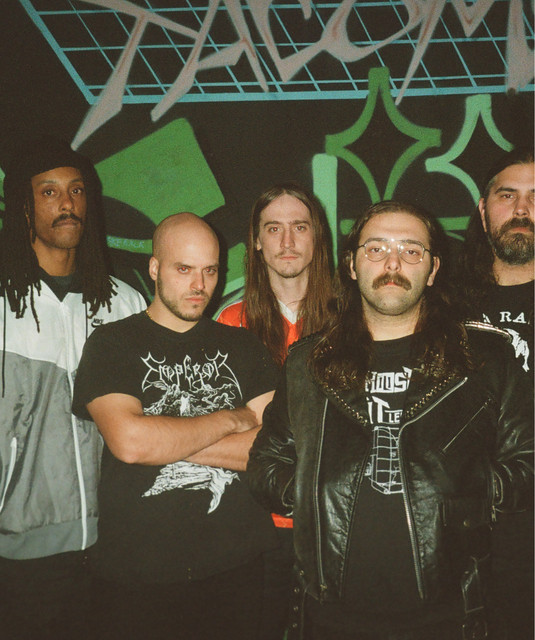
The metal world finds itself caught between two powerful currents this week: legendary vocalists attempting to recapture their classic sounds through solo ventures, and an increasingly heated debate about live performance authenticity that's dividing the heavy music community. These developments reveal deeper questions about artistic integrity and the evolving nature of metal performance standards.
The Quest for Sonic Nostalgia
Roy Khan's announcement of his upcoming solo album represents one of the most intriguing comeback stories in symphonic metal. The former Kamelot vocalist, whose departure from the band left a significant void in the progressive metal landscape, is now working to recreate the signature sound that defined some of the best metal albums of all time during his tenure. Khan's collaboration with producer Sascha Paeth suggests a serious commitment to recapturing the orchestral grandeur and melodic complexity that made albums like "The Black Halo" essential listening.
This pursuit of classic sounds extends beyond individual artists to encompass entire scenes. The Dutch progressive rock act The Gathering's reunion with their "Mandylion"-era lineup, including Anneke van Giersbergen, demonstrates how 80s metal bands and their contemporaries are finding new ways to celebrate their most influential periods. Their recent London performance marks the beginning of what could be a significant European tour celebrating one of alternative metal's most groundbreaking albums.
For Texas symphonic metal acts like The Temple Dark, these developments offer valuable insight into how established artists navigate the balance between nostalgia and innovation. The success of Khan's solo venture could signal renewed interest in the symphonic metal genre, potentially creating more opportunities for regional acts working in similar territory.
The Authenticity Wars Hit Live Performance
While veterans chase classic sounds in the studio, a different battle rages on stage. Chevelle drummer Sam Loeffler's pointed criticism of bands relying heavily on backing tracks during live performances has struck a nerve throughout the metal community. His assertion that "some of these guys aren't playing any of it" raises fundamental questions about what constitutes authentic live performance in an era of increasingly complex studio productions.
This debate particularly resonates within the Texas metal scene, where bands like Creeping Death and Judiciary have built reputations on raw, uncompromising live energy. The authenticity question becomes especially relevant as new metal bands 2026 face pressure to reproduce studio-quality performances while maintaining the visceral connection that defines great metal shows.
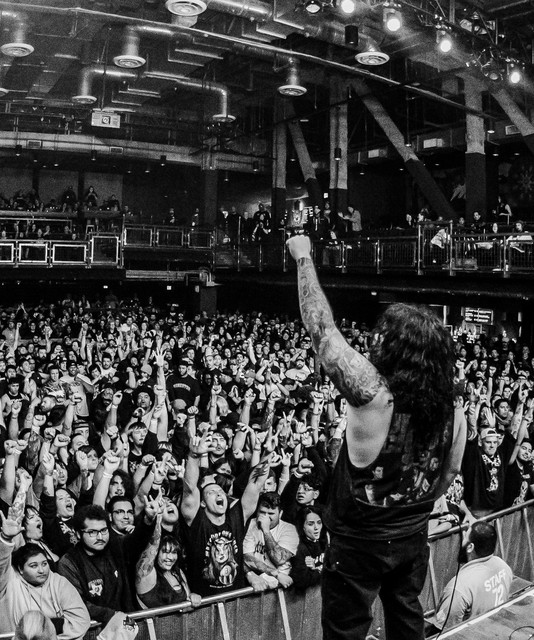
The backing track controversy highlights a generational divide in metal performance philosophy. Veteran acts often emphasize pure instrumentation, while newer bands increasingly incorporate technological elements to achieve the layered sounds that modern metal audiences expect. This tension between technological capability and performance authenticity will likely shape how emerging bands approach their live presentations.
Genre Evolution and Artistic Identity
Tarja Turunen's decision to embrace heavier sounds on her upcoming "Frisson Noir" album represents another fascinating aspect of this week's developments. The former Nightwish vocalist's move toward her heaviest material yet suggests that even established artists are willing to push their sound forward rather than simply recreating past glories. This approach contrasts sharply with the nostalgic pursuits of artists like Khan and The Gathering.
The diversity of approaches among veteran metal performers offers multiple models for Texas heavy metal bands navigating their own artistic evolution. Some may choose to refine and perfect established sounds, while others might pursue radical reinvention. Both strategies can succeed, but they require different approaches to audience development and creative risk management.
Legacy Acts and Modern Challenges
The week's news also includes updates from several other significant acts. P.O.D.'s completion of their follow-up to "Veritas" demonstrates how established bands maintain relevance through consistent output, while Anthrax's use of session drummer Darby Todd for their Athens performance shows how veteran acts adapt to lineup challenges. These practical considerations increasingly affect how metal bands touring 2026 approach their scheduling and personnel decisions.
Iron Maiden's performance of "Infinite Dreams" for the first time in 38 years during their Athens show exemplifies how legendary acts can surprise longtime fans while maintaining their core identity. This balance between familiar material and unexpected deep cuts offers a template for regional metal acts looking to keep their performances fresh without alienating established audiences.
Industry Trends and Regional Opportunities
These developments collectively point toward several trends that could benefit the Texas metal scene. The renewed interest in symphonic and progressive metal sounds creates opportunities for technically proficient regional bands. Meanwhile, the authenticity debate may favor scenes like Texas, where live performance tradition runs deep and bands are expected to deliver genuine energy night after night.
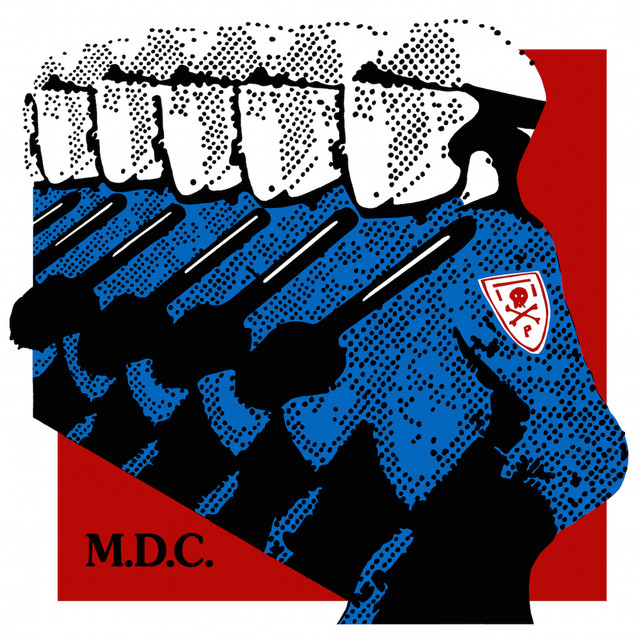
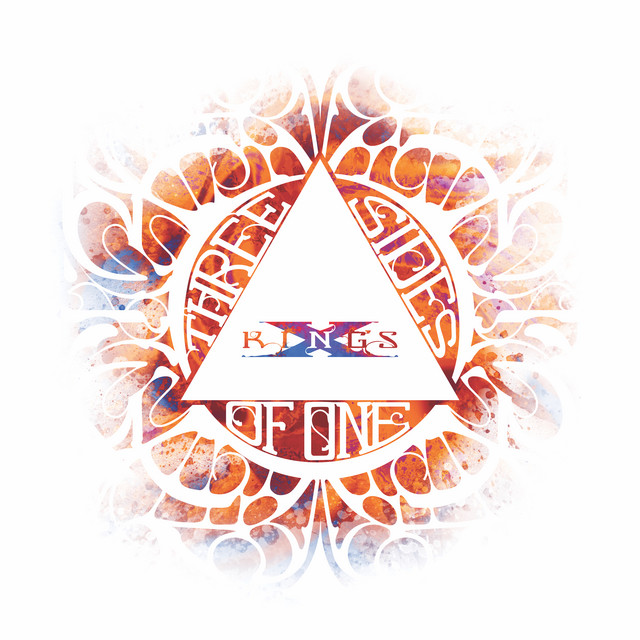
The state's diverse metal landscape includes everything from the progressive complexity of King's X to the raw intensity of MDC, providing multiple models for how bands can approach both studio work and live performance. This diversity positions Texas acts well to capitalize on whatever direction the broader metal scene takes.
Looking Forward
As legendary vocalists like Khan and Turunen prepare new material, and debates about performance authenticity continue to evolve, the metal community finds itself at a crossroads between tradition and innovation. The success of various approaches suggests that there's room for multiple philosophies within modern metal.
For Texas metal bands, these developments offer both inspiration and practical guidance. The state's rich metal heritage provides a foundation for authenticity, while its spirit of independence supports both nostalgic pursuits and forward-thinking experimentation. Whether chasing classic sounds or pushing into uncharted territory, Texas metal acts have the cultural context and performance tradition to succeed in this evolving landscape.
The coming months will reveal whether the authenticity debate leads to meaningful changes in how metal bands approach live performance, and whether the nostalgic pursuits of established artists create lasting opportunities for newer acts working in similar styles. One thing remains certain: the passion and intensity that define great metal music continue to drive both veteran artists and emerging bands toward their most compelling work.