Iron Maiden's Rare Track Revival and Industry Mortality Reflections Highlight Metal's Delicate Balance Between Legacy and Longevity
When Iron Maiden dusted off "Infinite Dreams" for its first live performance in three decades, the legendary British act demonstrated something that resonates deeply across the metal world: the power of unexpected artistic choices to reinvigorate both bands and audiences. The decision to resurrect this deep cut from 1988's "Seventh Son of a Seventh Son" represents more than simple nostalgia—it signals a broader conversation about legacy, mortality, and the finite nature of metal's golden generation that's particularly relevant for the Texas metal scene.
The Weight of Time: When Metal Legends Confront Mortality
Recent statements from veteran musicians reveal an industry increasingly aware of its own mortality. Exodus guitarist Gary Holt's candid admission about not wanting to die on stage, coupled with Mikkey Dee's emotional reflection on the irreplaceable chemistry of Motörhead's classic lineup, paint a sobering picture of metal's aging vanguard. These aren't just casual observations—they're strategic reckonings with the clock that every texas metal bands should heed.
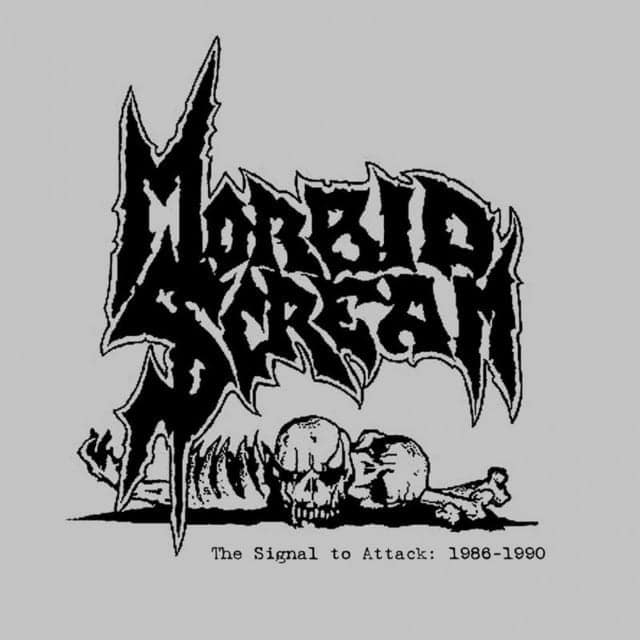
Holt's concerns about stage mortality aren't unfounded paranoia; they're the calculated thoughts of a musician who's watched too many peers push themselves beyond their physical limits. When one of thrash metal's most respected guitarists openly discusses these fears, it forces the entire metal community to examine the sustainability of extreme performance culture. For Texas thrash acts like Consecrator and Morbid Scream, these conversations offer crucial insight into career longevity planning.
Dee's mourning for his Motörhead brotherhood cuts even deeper. His statement that he "would've been there now if Lemmy was still alive" isn't just grief—it's recognition that certain musical partnerships transcend business arrangements. The chemistry between Lemmy Kilmister, Phil Campbell, and Dee created something irreplaceable, and its loss left a void that no amount of technical skill can fill.
Health Crises Reshape Touring Landscape
The recent departure of Spineshank guitarist Jason Hager from their 25th anniversary tour due to health concerns illuminates another critical industry issue: the physical toll of modern metal touring. While celebrating "The Height of Callousness," Hager's sudden withdrawal serves as a stark reminder that even mid-level touring can break veteran musicians.
This development creates strategic opportunities for texas heavy metal bands prepared to step into gaps left by sidelined acts. When established bands cancel dates or lose members to health issues, regional scenes often benefit from increased booking opportunities and elevated profile slots. Texas acts across the spectrum—from the traditional metal sounds of Screamer to the progressive complexity of Immortal Guardian—should monitor these industry disruptions for potential advancement opportunities.
The Authenticity Versus Innovation Debate
Former Kamelot vocalist Roy Khan's solo project announcement adds another layer to metal's ongoing authenticity conversation. His explicit goal to "capture the sound that Kamelot had while I was in the band" represents a fascinating approach to artistic legacy—not moving forward, but deliberately recreating a specific historical sound palette.
Khan's strategy contrasts sharply with the experimental approaches many new metal bands 2026 are embracing. While younger acts often prioritize innovation and boundary-pushing, Khan's commitment to recreating classic Kamelot demonstrates that there's still significant audience appetite for authentic period sounds. This creates interesting opportunities for Texas power metal acts like Angelix, who could position themselves as inheritors of specific classic metal traditions rather than innovators.
The Black Crowes' recent cover of AC/DC's "Riff Raff" during their Georgia performance further emphasizes metal's complex relationship with its own history. When alternative rock acts pay tribute to 80s metal bands, it reinforces metal's foundational influence across rock subgenres while highlighting the enduring appeal of classic metal songcraft.
Production Standards and Creative Processes
Judas Priest bassist Ian Hill's update on their next album reveals strategic thinking that Texas metal acts should study carefully. His description of a "more traditional" approach compared to "Invincible Shield" suggests calculated market positioning—recognizing that their audience values consistency over constant reinvention. For a band often cited among the best metal bands of all time, this represents sophisticated understanding of legacy management.
Parkway Drive's apparent return to studio work, meanwhile, signals continued activity from Australia's metalcore export leaders. Their studio presence often precedes significant touring announcements, creating ripple effects throughout the international metal bands touring 2026 circuit that could impact Texas venues and festival lineups.
Regional Scene Implications
These international developments create several strategic implications for Texas metal acts. The combination of veteran bands confronting mortality, health-related tour cancellations, and renewed interest in classic sounds creates multiple advancement opportunities for regional acts ready to capitalize.
First, the emphasis on authenticity over backing tracks—exemplified by bands like Chevelle's commitment to live performance—rewards Texas acts who've maintained strong live reputations. The state's robust club circuit has always emphasized live performance skills, potentially giving local acts advantages in an industry increasingly skeptical of over-produced live shows.
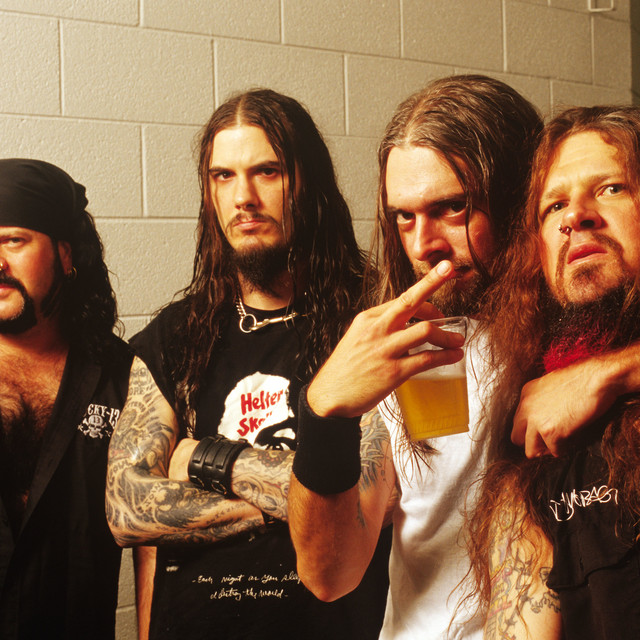
Second, the wave of anniversary tours and legacy celebrations creates template opportunities for Texas acts with sufficient history. Regional legends like HELLYEAH and Pantera have already demonstrated how Texas metal legacy can command international attention, providing roadmaps for younger acts building their own historical narratives.
Looking Forward: Strategic Positioning
The combination of aging metal legends confronting mortality and newer acts embracing traditional sounds creates unique positioning opportunities for texas metal band acts ready to bridge generational gaps. Rather than simply copying international trends, Texas acts can leverage the state's rich metal history while addressing the industry's growing concerns about sustainability and authenticity.
P.O.D.'s announcement of their upcoming single release in August provides additional context for release timing strategies. Their choice to announce months in advance suggests calculated market positioning that Texas acts could adapt for their own promotional timelines.
As metal's founding generation grapples with mortality and legacy questions, the Texas metal scene stands uniquely positioned to provide answers. The state's combination of traditional metal values, robust live music infrastructure, and proven ability to produce internationally successful acts creates opportunities for both honoring metal's past and securing its future.
The conversation between legacy and longevity isn't just academic—it's the practical challenge facing every metal musician today. Texas acts who navigate this balance successfully won't just survive the industry's current transition; they'll define what comes next.