Slayer's Tom Araya Takes Command at Texas Motor Speedway as Touring Costs Lock Out International Acts
When Tom Araya's voice thundered across Texas Motor Speedway this past Sunday, commanding drivers to fire their engines for the Würth 400, it marked more than just another celebrity guest appearance at a NASCAR event. The Slayer frontman's role as Grand Marshal represented a fascinating convergence of metal culture and mainstream Texas entertainment – a crossover moment that highlights both the expanding influence of heavy music and the unique opportunities available to established acts in today's evolving landscape.
Metal Legends Find New Stages in the Lone Star State
Araya's appearance at the Fort Worth speedway comes at a time when veteran metal acts are increasingly exploring unconventional performance opportunities. While many international bands struggle with the economic realities of American touring, established legends like Slayer's members are leveraging their cultural cachet in creative ways. The sight of one of thrash metal's most recognizable voices addressing thousands of racing fans demonstrates how best metal bands from previous decades continue finding relevance in unexpected contexts.
This mainstream crossover moment occurred alongside David Lee Roth's recent Austin performance at ACL Live at The Moody Theater, where the former Van Halen frontman delivered classic tracks including "Panama" and "Drop Dead Legs" to an enthusiastic Texas crowd. Both events underscore how the state's diverse entertainment landscape provides platforms for rock and metal veterans to connect with audiences beyond traditional concert venues.
The Touring Crisis Facing International Metal Acts
While established American acts find new avenues for performance, international bands face increasingly daunting barriers to reaching American audiences. British black metal pioneers Venom have been particularly vocal about the challenges confronting overseas acts, with guitarist Stuart "Rage" Dixon describing the situation in stark terms. The visa application process has become prohibitively expensive and complex, creating what Dixon characterizes as a vampire-like dependency on formal invitations from promoters willing to shoulder significant financial risks.
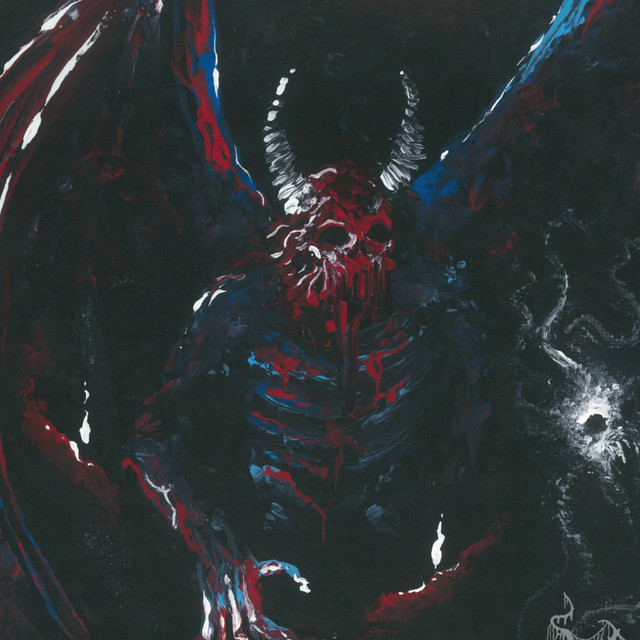
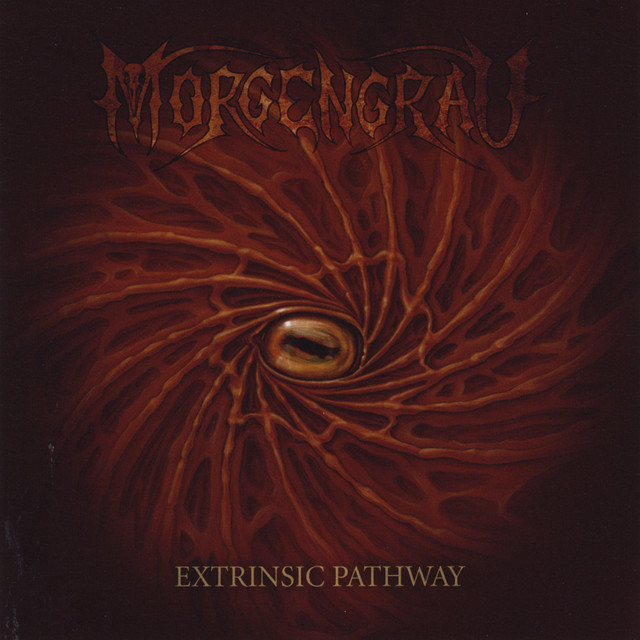
These logistical nightmares particularly impact the extreme metal scenes that have traditionally thrived on international collaboration and touring circuits. For Texas fans of black metal acts like Ativan and Morgengrau, the reduced availability of international touring packages means fewer opportunities to witness the global metal community's cross-pollination of ideas and techniques.
Equipment Theft Highlights Vulnerability of Working Musicians
The recent theft and recovery of former Saliva vocalist Josey Scott's equipment trailer in Tulsa serves as a stark reminder of the precarious economics facing touring musicians. While Scott was fortunate to recover his gear following police intervention and a suspect's arrest, the incident illuminates the constant vulnerability faced by working metal and rock acts who depend on increasingly expensive equipment to maintain their livelihood.
This type of theft has become an epidemic affecting musicians across genres, but metal acts face particular challenges due to their reliance on specialized amplification and effects equipment. The financial impact of losing a full rig can effectively end touring plans for months or force bands into debt to replace essential gear. For emerging Texas metal acts building their regional presence, equipment security has become as crucial as booking strategy.
New Album Cycles Create Fresh Opportunities
Despite these challenges, the creative output from established acts continues generating excitement for the broader metal community. Social Distortion's upcoming eighth studio album "Born To Kill" – their first release in fifteen years – demonstrates how veteran acts can maintain relevance through strategic album timing and renewed creative focus. Mike Ness has indicated the band intends to shock audiences by maintaining a more consistent release schedule moving forward, potentially signaling a shift in how established acts approach their recording cycles.
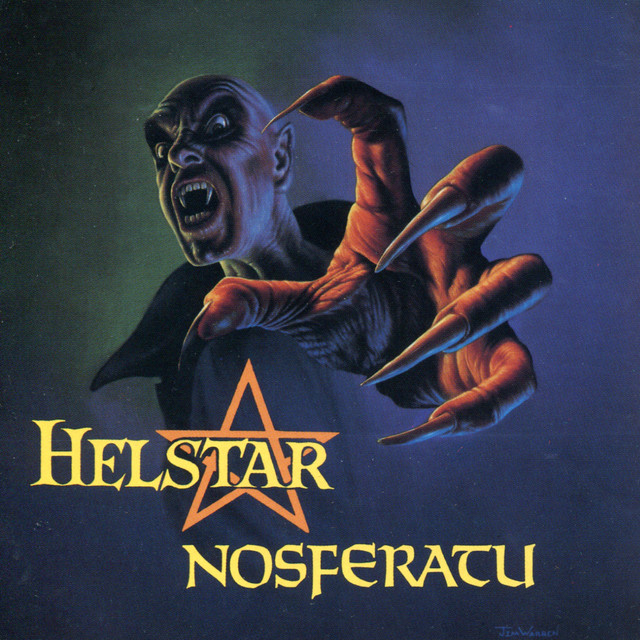
Similarly, Motionless in White's completion of their next record suggests that new metal bands 2026 releases will feature both emerging acts and reinvented veterans. This creative momentum provides inspiration for Texas bands developing their own album projects, whether they're established acts like Helstar refining their power metal approach or newer groups like Tribal Gaze pushing death metal boundaries.
Video Production and Fan Engagement Evolution
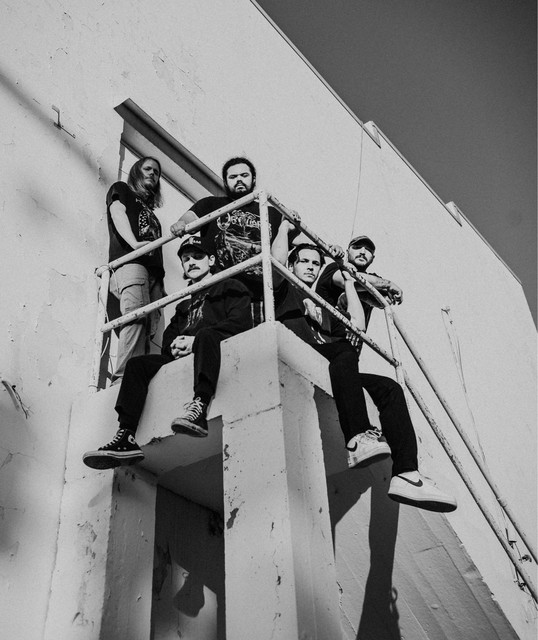
The music video production landscape continues evolving, with acts like No Cure soliciting direct fan participation for upcoming video shoots. This grassroots approach to content creation reflects broader changes in how metal bands build audience engagement without relying on traditional industry infrastructure. By inviting fans to participate in Birmingham, Alabama video shoots, bands can create authentic community experiences while managing production costs.
This participatory model offers valuable lessons for Texas metal scene acts looking to maximize their promotional impact. Local bands from thrash acts like Anialator to progressive metal groups like Dicodec can leverage Texas's strong metal community to create compelling visual content that showcases both their music and their regional following.
Industry Professionalism and Conflict Resolution
Recent developments in band member relations highlight the importance of professional communication within metal's often volatile creative environment. Eric Morotti's public apology regarding his exit from death metal veterans Suffocation demonstrates how established acts are increasingly conscious of maintaining professional standards even during personnel conflicts.
This emphasis on mature conflict resolution provides important guidance for Texas metal acts navigating their own lineup changes and business challenges. Bands like Fresh Wounds building their brutal death metal reputation or End Times developing their thrash-hardcore fusion can learn from these examples of how to handle internal disputes without damaging their broader reputation or relationships within the metal community.
Looking Forward: Opportunities and Challenges
The current metal landscape presents both unprecedented opportunities and significant challenges for Texas acts. While international touring has become more difficult and equipment theft threatens working musicians' livelihoods, mainstream crossover opportunities like Tom Araya's speedway appearance suggest new avenues for cultural influence and audience expansion.
Texas metal acts are uniquely positioned to capitalize on these trends, given the state's diverse entertainment infrastructure and strong regional identity. From the mainstream appeal demonstrated by Drowning Pool to the underground authenticity of acts like Mammoth Grinder, the scene's diversity provides models for success across multiple approaches.
The key lies in maintaining the creative authenticity that defines the best metal while remaining open to the unexpected opportunities that emerge in an evolving cultural landscape. Whether that means commanding race car drivers to start their engines or building authentic fan communities through participatory video production, Texas metal's future depends on embracing both tradition and innovation.