Legendary Bands Lock Original Lineups While AI Technology Reshapes Metal Performance Standards
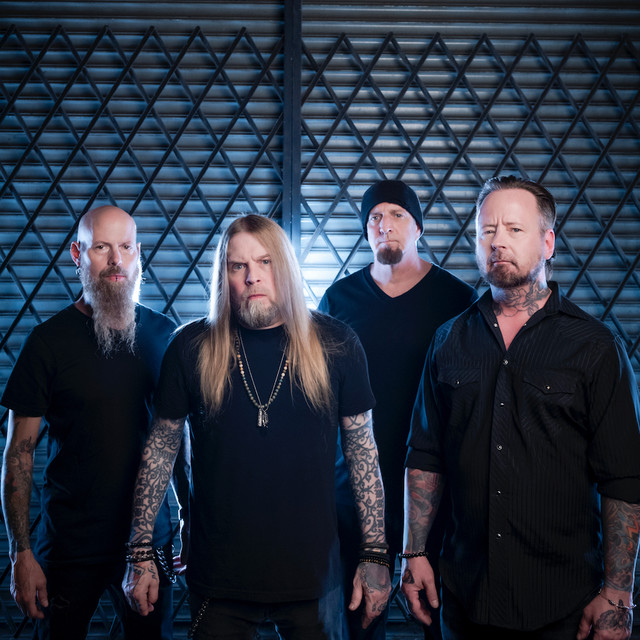
The metal world is witnessing a fascinating tension between tradition and technology as legendary acts cement their commitment to original lineups while artificial intelligence begins infiltrating live performance standards. These developments are creating ripple effects across regional scenes, including here in Texas where bands are studying both authenticity strategies and technological integration approaches.
Original Lineup Preservation Becomes Strategic Priority
Poison's recent declaration that they will only perform as a complete original four-piece represents more than nostalgia—it signals a strategic shift toward authenticity as a competitive advantage. This all-or-nothing approach to lineup integrity reflects broader industry trends where veteran acts are discovering that partial reunions often disappoint audiences more than complete absence.
The decision parallels similar moves across the Texas metal scene, where veteran acts are increasingly viewing original lineup preservation as crucial brand protection. This authenticity-first approach resonates particularly strongly in Texas, where audiences have consistently rewarded bands that maintain their core identity over decades.
Meanwhile, former Megadeth guitarist Chris Poland's recent comments about embracing different lineup variations highlight the opposite philosophy. His perspective that multiple lineup iterations can coexist successfully offers an alternative model for bands considering personnel changes. This debate over lineup flexibility versus original member dependency is reshaping how both veteran and emerging acts approach their long-term strategies.
AI Integration Creates New Performance Possibilities
The announcement of an AI-powered Ozzy Osbourne avatar represents perhaps the most significant technological leap in metal performance since the advent of digital recording. This development goes beyond simple hologram technology, promising interactive capabilities where the AI Ozzy can respond to fans in real-time using the artist's own voice patterns and mannerisms.
For regional scenes like Texas, this technology creates both opportunities and challenges. Smaller venues might eventually access performances from legendary artists who can no longer tour physically, while local bands face the prospect of competing against AI-enhanced shows. The technology also raises questions about what constitutes an authentic live performance in an era where artificial enhancement becomes increasingly sophisticated.
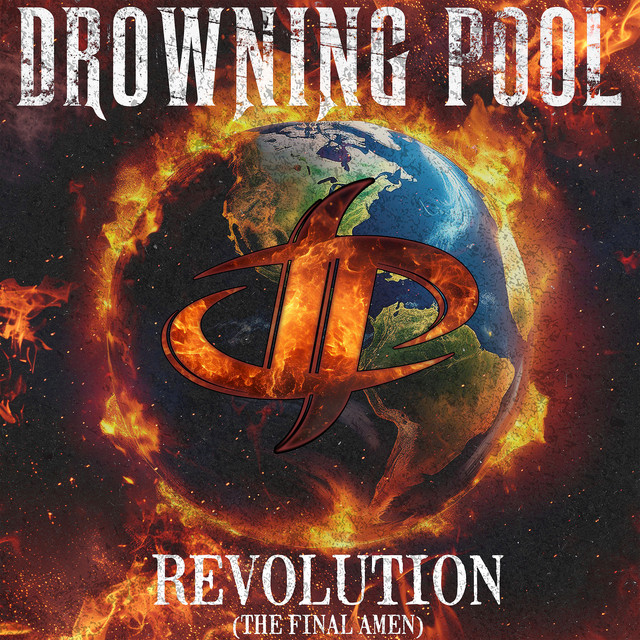
The implications extend beyond individual performances to reshape how bands approach their digital presence and fan interaction strategies. Drowning Pool and other Texas acts with significant catalog depth might find AI technology eventually allows them to create enhanced performance experiences that blend live musicianship with digital augmentation.
Creative Evolution Drives New Recording Approaches
Apocalyptica's confirmation that they've begun work on new material demonstrates how established acts are adapting their creative processes to maintain relevance. Their approach of recording featured collaborations alongside core material reflects a strategic balance between innovation and maintaining their signature sound. This methodology offers valuable insights for Texas metal bands seeking to expand their artistic range without alienating existing audiences.
The Finnish cellists' recording strategy emphasizes quality over quantity, focusing on carefully selected collaborations that enhance rather than overshadow their instrumental prowess. This selective approach to partnerships contrasts with the shotgun collaboration strategies some bands employ, suggesting that thoughtful artistic choices yield stronger results than simple novelty.
Similarly, veteran bassist Rudy Sarzo's decision to pursue independent solo material reflects broader industry trends toward artistic independence. His emphasis on returning to musical roots while maintaining professional independence offers a blueprint for experienced musicians seeking creative fulfillment beyond their primary band commitments.
Genre Boundaries Continue Expanding
The collaboration between Burner and Trivium's Matt Heafy on "Sunrise, Parabellum" exemplifies how cross-pollination between metal subgenres continues generating fresh creative possibilities. These partnerships demonstrate that successful collaborations emerge from shared artistic vision rather than simple name recognition, creating opportunities for lesser-known acts to elevate their profile through strategic alliances.
Progressive metal acts like Haken releasing new material following lineup changes shows how bands can maintain creative momentum despite personnel shifts. Their approach of treating lineup evolution as creative opportunity rather than obstacle provides a model for regional acts facing similar transitions.
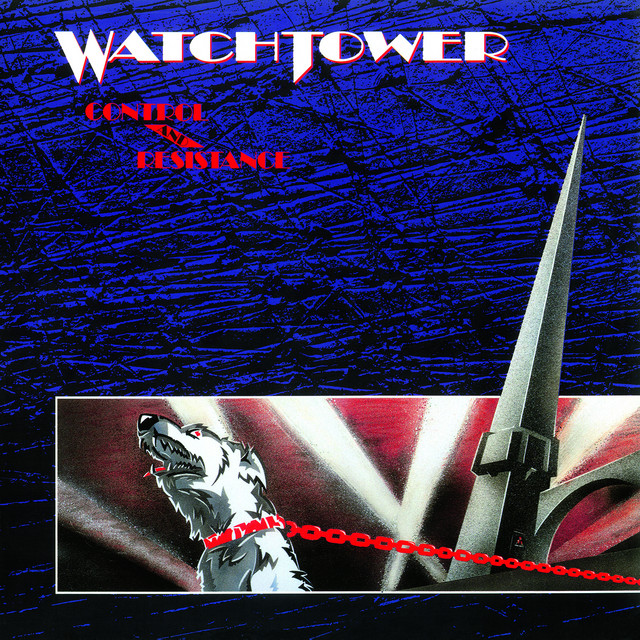
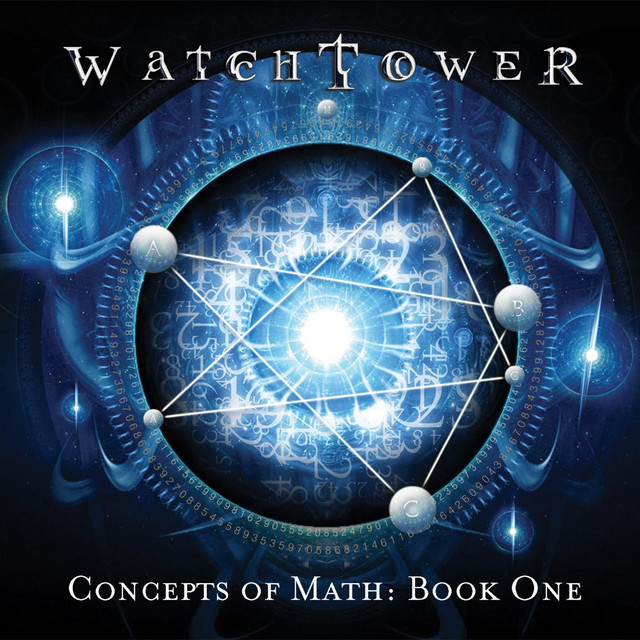
For Texas bands operating across multiple subgenres, these developments highlight the importance of maintaining clear artistic identity while remaining open to collaborative possibilities. Watchtower and other progressive acts in the state have long demonstrated how technical proficiency combined with openness to musical exploration can sustain careers across decades.
Regional Scene Applications
These national and international developments create specific opportunities for texas heavy metal bands to position themselves strategically within evolving industry standards. The emphasis on lineup authenticity favors acts that have maintained consistent personnel, while technological developments open new possibilities for enhanced live experiences.
The trend toward independent recording and distribution particularly benefits regional scenes where artists often maintain greater control over their creative output. Texas bands can leverage these industry shifts to compete more effectively with larger-budget productions by emphasizing authenticity and direct fan connection over technological spectacle.
Collaboration trends suggest that geographical boundaries matter less than artistic compatibility, creating opportunities for Texas acts to partner with musicians worldwide while maintaining their regional identity. The key lies in selecting partnerships that enhance rather than dilute core artistic strengths.
As these industry changes continue reshaping metal's landscape, Texas bands that balance respect for tradition with selective technological and artistic innovation are best positioned to thrive. The challenge lies in making strategic choices that serve long-term artistic goals rather than short-term trend exploitation.
The metal scene's evolution toward greater technological integration alongside renewed emphasis on authenticity creates a complex but opportunity-rich environment for regional acts ready to navigate these competing demands thoughtfully.