Gas Money Riffs: Why Touring Economics, Black Metal's Soul, and an 80s Vinyl Reissue All Point Back to Texas
Every few months the national metal press rediscovers a truth that Texas bands have never forgotten: touring is brutal, and it's getting worse. This week it was Of Mice & Men drummer Valentino Arteaga laying it out plainly in a new conversation on the Vulgar Display Of Podcast, admitting that "it is hard times right now" for bands trying to survive on the road, even as he insisted the pendulum will eventually swing back. It's a conversation every working Texas band has had in a van somewhere between Lubbock and El Paso, and it's worth unpacking what it means for the state's deep, stubborn live scene heading into 2026.
We'll admit the name of that podcast made us do a double take here at Texas Metal Index. We cover an actual Texas crossover thrash band called Vulgar Display, and while the podcast and the band are two entirely different entities, the coincidence is a useful excuse to talk about what crossover thrash bands like them are up against right now. Crossover has always been a genre built for the stage — short, violent, mosh-pit-ready songs that demand to be played live rather than streamed — which means bands working in that lane feel touring economics more acutely than almost anyone else in metal. When the gas price math stops working, it's the crossover and hardcore bands grinding through regional circuits who feel it first.
The Road Math Nobody Wants to Talk About
Arteaga's larger point wasn't doom and gloom for its own sake — he framed the current squeeze as cyclical, a rough patch that'll correct itself as the industry adjusts to post-streaming, post-pandemic realities. But for Texas bands without major-label tour support, that correction can't come fast enough. Merch margins, fuel costs, and shrinking guarantees at the club level have forced a lot of acts to rethink what a "tour" even looks like. Regional weekenders instead of six-week runs. DIY booking instead of waiting on an agent. It's not glamorous, but it's how the Texas metal scene has always operated anyway — this state's geography alone (a ten-hour drive from Houston to El Paso without ever leaving Texas) has forced bands here to be road-smart out of necessity long before it became a national talking point.
That same grind applies directly to ATM, the Texas hardcore punk and sludge metal outfit whose entire aesthetic is built on the kind of raw, unglamorous intensity that doesn't translate well to a livestream. Bands like ATM, alongside stalwarts such as Bitter End and Sparta, represent exactly the kind of regional hardcore and sludge lineage that depends on packed rooms and word-of-mouth rather than algorithmic push. If you want to see what that ecosystem looks like in real time rather than reading about it, the upcoming shows page is the best place to start — and if your own band is grinding through that same van-life math, submit your band so we can help get the word out.
Does Black Metal Need the Devil?
Elsewhere in the news cycle, Dimmu Borgir guitarist Silenoz offered a characteristically thoughtful take on what actually defines black metal in 2026, arguing that the genre "has to be atmospheric" but "doesn't have to necessarily be Satanic." It's a distinction that's been debated in tape-trading circles and Discord servers for decades, but it lands differently depending on which black metal scene you're standing in. For a Texas scene that has quietly built out one of the more interesting atmospheric black metal undergrounds in the South, Silenoz's comments read less like controversy and more like common sense.
Black metal, at its core, has always been about mood and atmosphere first — the ideology is almost secondary to whether the music actually transports you somewhere.
Texas black metal has never been monolithic, and that's a feature, not a bug. Cymoril works the atmospheric end of the spectrum, while Bolvag leans into the colder, rawer production aesthetic that's defined the raw black metal underground for years. Immortal Remains blurs the line between black and death metal entirely, and Proscriptor McGoverns Apsu brings a thrash-inflected edge that proves the genre's boundaries in Texas have always been porous. None of these bands need a press release reminding them that atmosphere is the point — they've been building it in basements and small venues across the state for years, largely without the national spotlight that bands like Dimmu Borgir have enjoyed since the 90s. If there's a content gap in how atmospheric and raw black metal gets covered regionally, Texas bands are already doing the work to close it; the coverage just needs to catch up.
Doro, Warlock, and the 80s Metal Bands That Never Stopped Mattering
Doro Pesch's announcement that she's planning a full 2027 celebration of Warlock's "Triumph And Agony" — complete with bespoke setlists and a picture-disc vinyl reissue — is the kind of news that reminds you how much the 80s metal bands canon still drives conversation today. "Triumph And Agony" sits comfortably in any serious conversation about the best metal albums of all time from that era, and Doro's continued stewardship of that legacy is a masterclass in how to honor a band's history without turning it into a nostalgia act.
That kind of reverence for classic heavy metal songwriting has an obvious home in Texas, where the NWOTHM (New Wave of Traditional Heavy Metal) revival has quietly become one of the most active undercurrents in the state's scene — even if it rarely gets the column inches it deserves. Wolfmangler splits time between doom and classic heavy metal songcraft in a way that feels directly indebted to the Warlock era, while Necromancer works the same NWOTHM lane with a thrashier edge. SSR rounds things out with a power metal and progressive thrash approach that proves the appetite for riff-first, hook-driven heavy metal never actually left — it just went underground for a while. With 135 bands in our index tagged under Heavy Metal or NWOTHM and almost no dedicated coverage to date, it's a lane we're planning to spend a lot more time in going forward, and Doro's anniversary announcement is as good a reason as any to start.
Suicide Silence's Lineup Shake-Up and What It Means for Deathcore
Guitarist Chris Garza's departure from Suicide Silence landed as a quieter but still significant story this week, with the band confirming the decision had been building for some time. Deathcore lineup changes always ripple outward — the genre's intensity level makes it one of the hardest to sustain over a long career, and Texas has its own thriving death metal and deathcore underground that watches these national shifts closely. Bands like Skybaus operate in that same death metal and deathcore space, and the broader lesson from Garza's exit is one Texas bands already understand instinctively: longevity in brutal music requires constant renegotiation of what the band actually needs from its members, not just loyalty to a lineup for its own sake.
Ignite's Return and the Hardcore Backbone of Texas
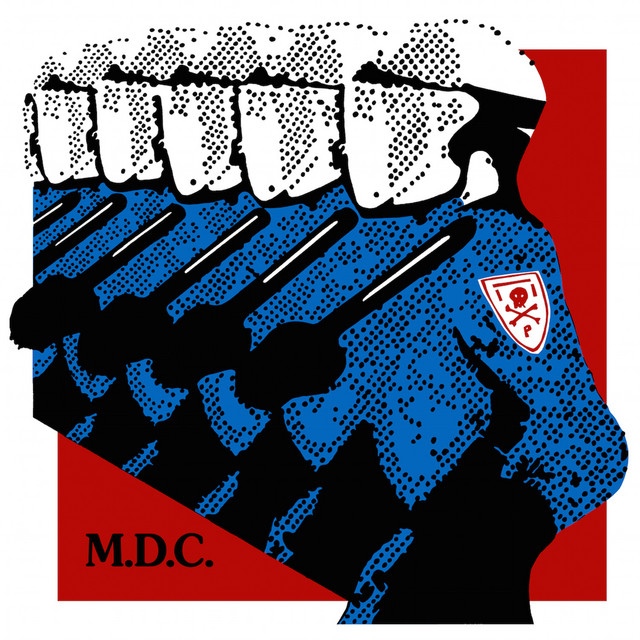
Orange County's Ignite dropping "Dissonate" ahead of their January 2026 album "Still Wide Awake" is a reminder that melodic hardcore's influence runs deep and wide, well beyond its West Coast roots. Texas has its own foundational hardcore punk lineage that predates most of what gets celebrated nationally — MDC and Houston's legendary Really Red were doing uncompromising, politically charged hardcore punk decades before it was a marketable aesthetic. That same lineage runs through to the current crop of Texas bands keeping heavy, unpolished music alive in VFW halls and DIY spaces across the state.

The Takeaway for 2026
Taken together, this week's headlines — touring economics, black metal's identity debates, classic metal's enduring vinyl market, and hardcore's generational handoff — all point to the same conclusion for Texas: the scene here has never needed permission from the national press to keep building. Whether it's new metal bands in 2026 cutting their teeth in Austin basements or veteran acts still packing rooms in Houston and Dallas, the bands worth watching are the ones already doing the work. Keep checking upcoming shows for where that work is happening live, and if you're part of it, submit your band — we'd rather be covering you a year early than a year late.